
Durban Street Circuit
About Durban Street Circuit
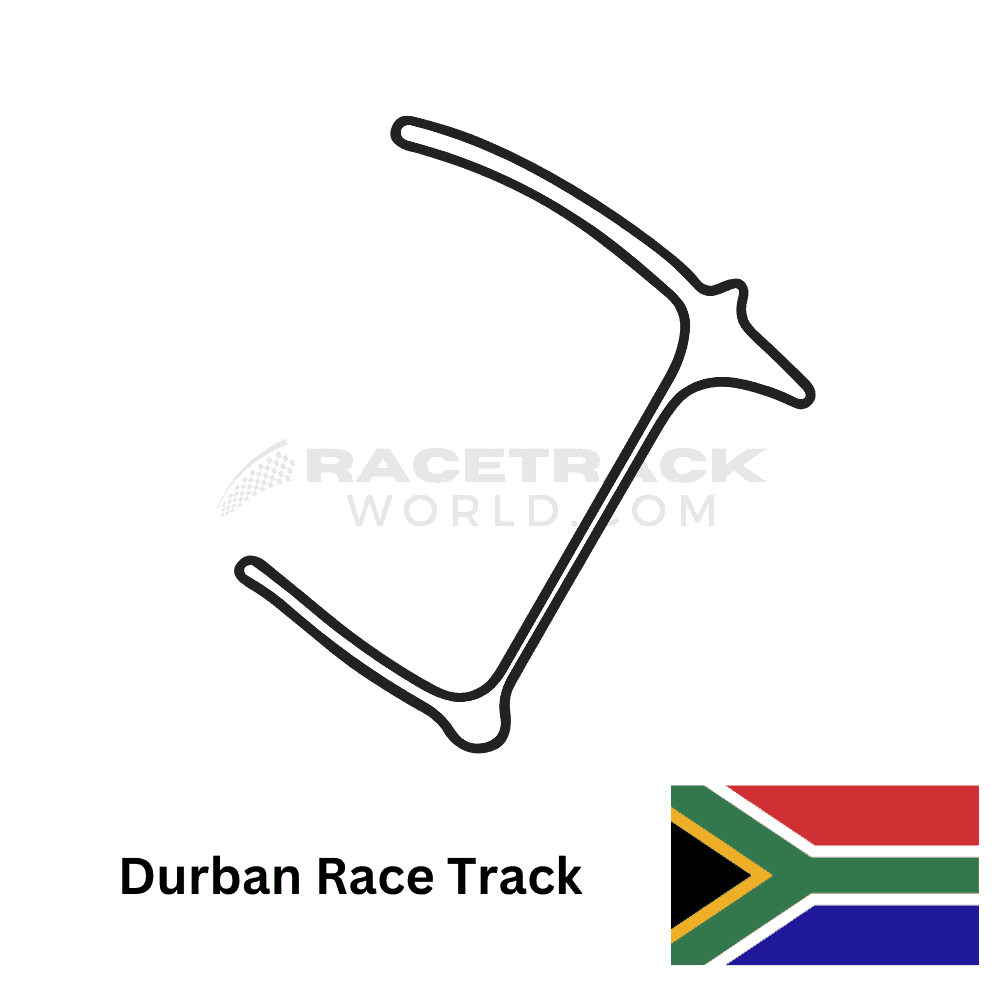 * Address: Durban, South Africa
Hotels Near Durban Street Circuit
Track History
The Durban Street Circuit, a thrilling 3.283-kilometer (2.0-mile) temporary street circuit, is an iconic gem nestled in the heart of Durban, South Africa. Located just 300 meters from the picturesque Durban's North Beach and a mere 800 meters from Durban's bustling Central Business District (CBD), this circuit offers a unique blend of racing excitement and coastal charm. Let's delve into the fascinating world of this remarkable racing venue.
A Racing Legacy
The Durban Street Circuit was meticulously designed and constructed by the renowned D3 Motorsport Development, a team with a passion for precision and excellence. The team's expertise in motorsport infrastructure shines through in every aspect of this circuit. Year after year, they've ensured that the venue maintains its high standards, offering a fantastic racing experience.
This exceptional street circuit became a hotspot for racing enthusiasts during its tenure as the host of the A1 Grand Prix from 2005 to 2008. This series marked a significant milestone in South African motorsport history, as it was the first international open-wheel automobile race held in the country since the 1993 South African Grand Prix. The Durban Street Circuit's challenging layout and stunning backdrop captivated the hearts of both drivers and spectators, making it a must-visit destination for any motorsport enthusiast.
Explore Durban's Hospitality
While you're enjoying the high-octane action at the Durban Street Circuit, it's essential to know where to find the best accommodations. Fortunately, Durban offers a range of hotels and lodgings that cater to various preferences and budgets. Here are some options for you to consider:
For those who want to wake up to the soothing sounds of the ocean, the Durban Beach Hotel is the perfect choice. This elegant and historic hotel offers stunning sea views and easy access to North Beach, making it an ideal spot for relaxation and indulgence.
2. CBD Convenience: City Lodge Hotel Durban
If you prefer the convenience of being close to the city center and the circuit, the City Lodge Hotel Durban is a superb option. It's within walking distance of the CBD, ensuring you have access to various dining and entertainment options.
3. Luxury by the Sea: The Oyster Box
For a taste of ultimate luxury, consider staying at The Oyster Box. This iconic five-star hotel offers world-class amenities, including a spa, fine dining, and breathtaking ocean views.
4. Budget-Friendly Comfort: Road Lodge Durban
Traveling on a budget? The Road Lodge Durban provides affordable and comfortable accommodations without compromising on quality. It's an excellent choice for those looking to save while enjoying their visit to the circuit.
No matter where you decide to stay, you'll find that Durban's hospitality is as warm and inviting as its climate. From beachfront paradises to city center convenience, these hotels offer a range of options to enhance your Durban Street Circuit experience.
So, whether you're a motorsport enthusiast, a history buff, or a traveler seeking adventure, the Durban Street Circuit has something to offer. Combine the excitement of the race track with the charm of Durban's accommodations, and you're in for a truly memorable experience. Start planning your visit today!
Link to History Video: Durban Street Circuit