
Autódromo Ricardo Mejía
Hotels Near Autódromo Ricardo Mejía
Track History
Autódromo Ricardo Mejía is a motorsports circuit located in the charming city of La Dorada, nestled in the Colombian department of Caldas. This circuit isn't just a place for racing; it's a testament to the rich history and dedication of Colombian motorsports.
A Visionary Creation
Built in 2004 by the Colombian racing driver Ricardo Mejía, this circuit is the embodiment of his passion for motorsports. Mejía was not only a successful driver but also a visionary who designed the circuit to be both challenging and exhilarating for drivers and fans alike.
A Home of Thrills
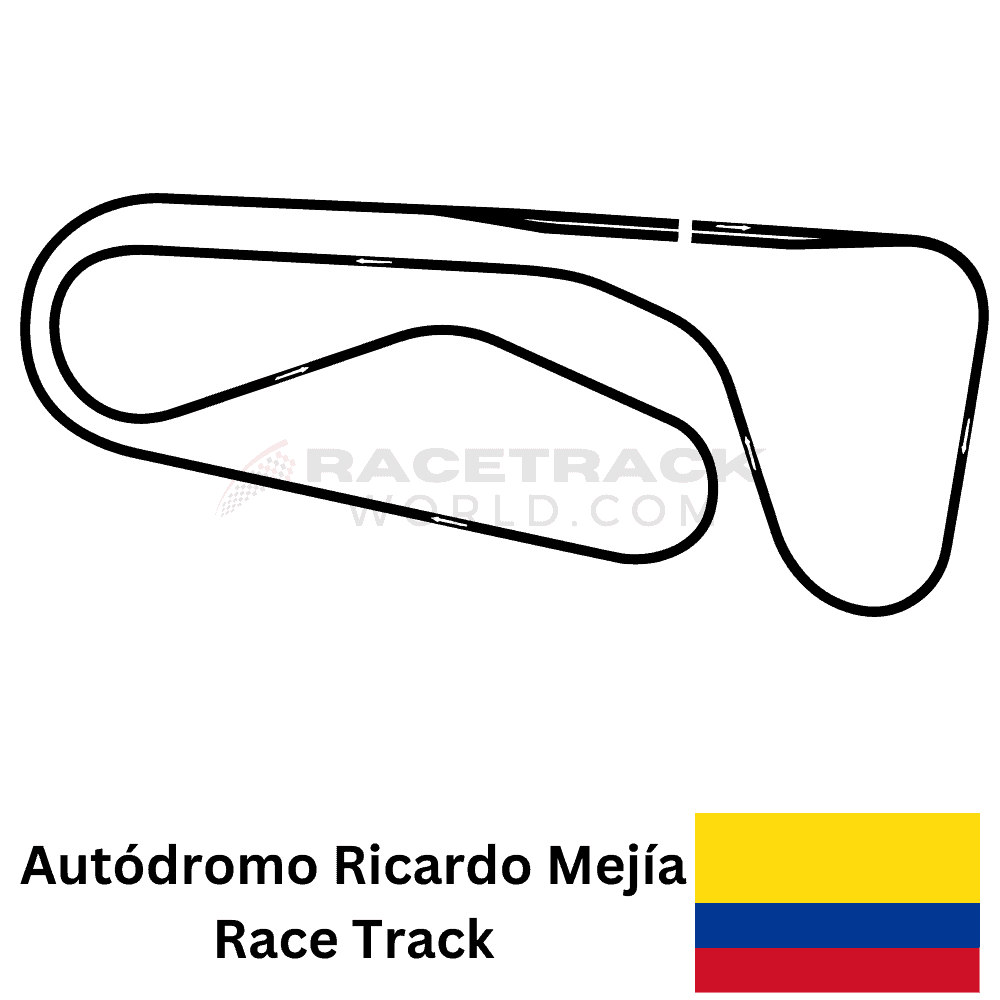
Over the years, Autódromo Ricardo Mejía has proudly hosted a wide range of motorsports events, from heart-pounding car races to thrilling motorcycle contests. The circuit's fame is attributed to its formidable layout, featuring a blend of tight turns and blistering straights that put even the most skilled drivers to the test.
A Nursery for Champions
Beyond hosting races, Autódromo Ricardo Mejía serves as a training ground for aspiring drivers. Many of Colombia's top racers embarked on their journey right here, making it an integral part of the Colombian motorsports scene.
The Track Experience
The 2.25-kilometer-long circuit kicks off with a lengthy straightaway leading into the first corner, a demanding left-hand turn that necessitates sharp braking and precise maneuvering. It then guides racers through a series of swift turns and elevation changes before unveiling another high-speed straightaway. The final stretch of the track features a challenging right-hand turn followed by a short straight leading into the last corner, a high-speed left-hand bend that demands racers to skillfully navigate while maintaining maximum speed.
Beyond the Track
Autódromo Ricardo Mejía holds a special place in Colombian motorsports for several reasons. It has been a cornerstone of the local motorsports scene since its inauguration in 2004. Countless motorsports events have found their home here, and the circuit has played a pivotal role in the development of numerous Colombian racing talents.
The circuit is not only known for its thrilling racing but also for its breathtaking natural surroundings. With majestic mountains in the backdrop, Autódromo Ricardo Mejía offers a picturesque setting that enhances the racing experience.
Fueling Economic Growth
Moreover, Autódromo Ricardo Mejía is a significant contributor to the region's economy. Each year, it draws thousands of avid fans, generating revenue for local businesses and providing employment opportunities for the local community. It's more than just a racetrack; it's an economic driver for the area.
In conclusion, Autódromo Ricardo Mejía stands as a unique and exciting gem in the world of Colombian motorsports. Its rich history, challenging layout, and stunning natural beauty make it an indispensable part of the Colombian racing landscape. As motorsports continue to evolve and flourish, Autódromo Ricardo Mejía remains a steadfast and integral component of the Colombian motorsports legacy.
Where to Stay
If you're planning a visit to Autódromo Ricardo Mejía to witness the heart-pounding action or explore its natural beauty, you'll need a comfortable place to stay. Fortunately, La Dorada offers a range of hotels and accommodations to suit all budgets and preferences.
1. Autódromo View Hotel
Located just a stone's throw away from the circuit, Autódromo View Hotel offers a front-row seat to all the racing excitement. With comfortable rooms and stunning views of the track, it's the perfect choice for motorsports enthusiasts.
2. Mountain Retreat Lodge
For those who prefer a peaceful escape into the surrounding natural beauty, the Mountain Retreat Lodge is an excellent option. Nestled in the picturesque mountains, it provides a serene and scenic stay, allowing you to unwind after a day at the circuit.
3. City Center Comfort Inn
If you want to be close to the city's amenities, the City Center Comfort Inn is conveniently situated. It offers modern and comfortable rooms, making it a great choice for those who want to explore La Dorada's vibrant culture and dining options.
No matter which hotel you choose, staying in La Dorada will allow you to fully immerse yourself in the world of Autódromo Ricardo Mejía and the Colombian motorsports experience. Enjoy the races and the hospitality that this beautiful region has to offer!
Link to History Video: Autódromo Ricardo Mejía