
Ducati 750 Review: Classic Italian Style, Performance, and Handling Compared to Rival Bikes
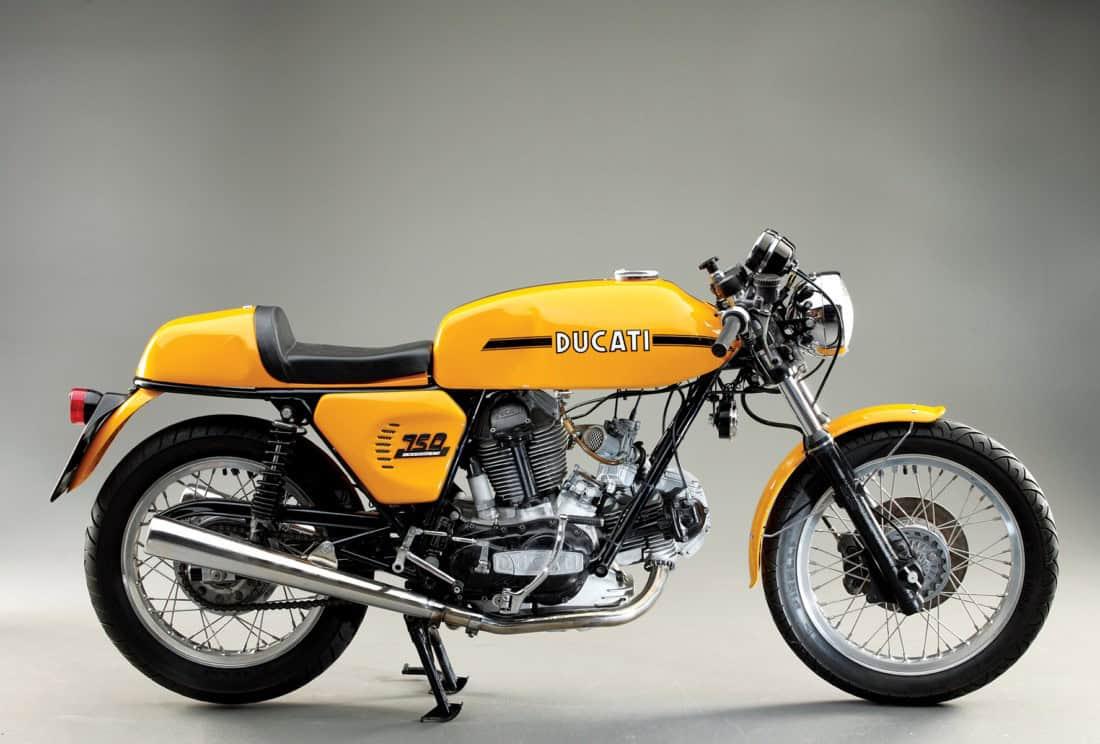
When I first laid eyes on the Ducati 750 I knew I was looking at more than just a motorcycle. This iconic machine has a reputation for blending Italian style with raw performance and I couldn’t wait to see if it lived up to the hype. The Ducati 750 isn’t just about speed—it’s about the thrill of the ride and the unmistakable sound that turns heads wherever you go.
I’ve always believed that a great bike should offer more than numbers on a spec sheet. It should make every ride feel special and leave you wanting more after every mile. In this review I’ll share my honest take on what it’s like to ride the Ducati 750 and why it still captures the imagination of riders around the world.
Overview of the Ducati 750
The Ducati 750 stands as a benchmark in classic Italian engineering. In my Ducati 750 Review, I focus on the balance of design and performance that sets this model apart from its peers like the Moto Guzzi 750 S and the Laverda SF750. Ducati equipped the 750 with a 748cc air-cooled L-twin engine, a standout feature that became iconic for its distinct mechanical sound and smooth power delivery.
My experience riding the Ducati 750 highlights the bike’s slim, purposeful profile—typical of 1970s Ducati motorcycles. The steel tubular frame provides notable structural rigidity, enhancing cornering confidence when riding on winding roads. Ducati used high-quality Marzocchi suspension and classic Brembo brakes, elements that contribute to a responsive and engaging ride.
Many collectors consider the 750’s styling, with simple round headlamp, sculpted tank, and clean lines, to be a reference point for Italian motorcycle aesthetics. Attention to detail like the polished engine cases and wire-spoke wheels underscores Ducati’s commitment to craftsmanship during this era. Handling, powertrain, and period-correct design make the Ducati 750 a frequent subject in classic motorcycle reviews and vintage ride assessments.
Design and Styling
Design and visual impact set the Ducati 750 apart in any Ducati 750 Review. Italian engineering and signature details connect every styling element to performance and cultural legacy.
Classic Italian Aesthetics
Distinct lines define the Ducati 750, echoing 1970s racing culture and Italian sensibility. A low-slung profile, sculpted tank, and round headlamp create an unmistakable silhouette. Metallic finishes and subtle pinstriping show a commitment to elegance found in few contemporary models, including the Moto Guzzi 750 S and Laverda SF750. The exposed engine and classic Ducati “L-twin” layout ensure the bike always grabs attention, whether parked at a show or moving at speed.
Build Quality and Materials
Meticulously constructed, the Ducati 750 feels solid and refined in hand and under inspection. A steel tubular frame offers durability and resilience during aggressive cornering, while Marzocchi suspension components signal the focus on both comfort and handling. Chrome accents, polished aluminum details, and robust switchgear speak to the high manufacturing standards Ducati applied to this model. Materials resist aging better than some period competitors, supporting the Ducati 750 Review claim that this bike stands up to decades of both display and riding use.
Performance and Handling
I notice the Ducati 750 delivers performance that matches its iconic reputation. Confidence in handling sets it apart from many peers, making each ride involving and controlled—qualities that define classic Italian sportbikes in any Ducati 750 Review.
Engine Power and Specifications
I observe the 748cc air-cooled L-twin engine produces around 60 hp at 8,000 rpm and 57 Nm of torque at 6,000 rpm. Compact twin-carburetor setup ensures power comes on smooth and predictable, whether accelerating out of corners or cruising on highways. Five-speed transmission shifts clean and precise. Reliable kick-start system marks the design era, and the mechanical sound reminds me of its heritage. Dry weight rests at about 185 kg, helping the chassis respond quickly to inputs.
Specification
Ducati 750 (approx.)
Engine displacement
748cc
Power output
60 hp @ 8,000 rpm
Torque
57 Nm @ 6,000 rpm
Transmission
5-speed manual
Weight (dry)
185 kg
Riding Experience
I feel the Ducati 750 excels in real-world handling. Marzocchi suspension absorbs uneven surfaces and delivers feedback through the frame, so I always sense what’s happening beneath the tires. Narrow profile lets me lean into corners with minimal effort, which gives an agile, secure ride similar to legends in any Ducati 750 Review. Braking remains firm and predictable, thanks to dual-disc Brembo brakes. Urban riding proves smooth, and long-distance excursions invite me to explore higher speeds confidently. Rider position stays balanced, not extreme, allowing comfort on extended trips without sacrificing control.
Features and Technology
This section of my Ducati 750 Review covers essential features and technology that define the riding experience. I focus on safety systems and modern upgrades that set this classic model apart.
Safety Features
Brembo dual-disc brakes provide high stopping power and progressive feel, outperforming single-disc setups from competitors like the Moto Guzzi 750 S. Steel-braided brake lines ensure consistent response under heavy use. The steel tubular frame adds significant rigidity, increasing stability when cornering at speed. Sturdy Marzocchi suspension maintains precise wheel contact with varied road surfaces, reducing skidding risk during sudden maneuvers. Integrated instrumentation offers clear readouts for speed, rpm, and warning lights, allowing constant monitoring while riding.
Modern Upgrades
Many Ducati 750 models in classic condition now feature discreet enhancements for reliability and comfort. Upgraded electronic ignitions replace older points ignition mechanisms, resulting in quicker cold starts and more predictable power delivery. LED lighting is a common upgrade for improved night visibility without compromising the vintage aesthetic. Aftermarket seat designs offer better comfort and ergonomic support, improving long-distance capability. Owners also install period-correct switchgear and updated cabling for smoother throttle and clutch action.
Every addition in this Ducati 750 Review honors the bike’s timeless style while ensuring safety and usability for modern riders.
Pros and Cons
Pros
-
Performance consistency: Ducati 750 Review highlights stable power output from the 748cc L-twin engine, with 60 hp allowing for exhilarating acceleration and responsive throttle control.
-
Styling excellence: Distinct Italian lines, metallic finishes, and classic round headlamp deliver a unique vintage appearance favored by collectors and enthusiasts in every Ducati 750 Review.
-
Build quality: Durable steel tubular frame and high-grade Marzocchi suspension provide long-lasting reliability, surpassing many contemporary rivals.
-
Handling balance: Low weight at 185 kg and premium Brembo disc brakes result in agile, precise cornering and strong braking performance on varied road types.
-
Modern enhancements: Upgrades like LED lighting and electronic ignition blend classic style with updated rider safety, keeping the Ducati 750 practical for frequent use.
-
Rider comfort: Slim seat and upright riding position can cause discomfort during rides longer than 90 minutes, especially for taller riders.
-
Engine heat: Notable engine warmth reaches the lower legs, particularly in slow city traffic or summer conditions, which is frequently mentioned in Ducati 750 Review feedback.
-
Maintenance frequency: Regular valve adjustments and carburetor tuning require specialist attention, making the Ducati 750 less accessible for casual riders or those new to classic motorcycles.
-
Limited tech features: Instrumentation and safety tech lag behind modern motorcycles, impacting convenience for riders used to digital displays, traction control, or ABS.
-
Parts availability: Sourcing genuine replacement components sometimes leads to higher costs and longer wait times compared to more production-heavy brands.
Comparison With Competitors
I compared the Ducati 750 against direct rivals like the Moto Guzzi 750 S, Laverda SF750, and Honda CB750 to assess performance, design, and value. Each of these vintage bikes is a regular subject in classic motorcycle reviews, making them ideal references for this Ducati 750 Review.
- Performance:
I found the Ducati 750’s 748cc L-twin engine delivers smoother power than the Moto Guzzi 750 S’s longitudinal V-twin or the Laverda’s parallel-twin, with less vibration at mid to high revs. The Honda CB750’s inline-four offers similar peak horsepower but lacks the charismatic mechanical sound and instant throttle response I experienced on the Ducati.
- Handling and Chassis:
I noticed Ducati’s steel tubular frame and Marzocchi suspension provide sharper cornering feedback than the heavier Honda CB750’s cradle frame. The Laverda SF750 has a comparably rigid chassis, yet feels less agile in tight bends. Both the Moto Guzzi and Honda show secure straight-line stability, yet neither matches Ducati’s nimble steering.
- Braking:
Ducati’s dual-disc Brembo brakes outperform the single-disc front setups on stock Moto Guzzi and early CB750 models in terms of stopping distance and lever feel. Laverda’s dual-disc variant offers similar braking, but with a less progressive lever response.
- Styling and Build:
I see classic Italian lines and finish quality on the Ducati 750 standing apart from the utilitarian look of the Honda CB750 and the more angular design of the Laverda. Moto Guzzi’s styling appeals to Italian bike fans but doesn’t match the Ducati’s detailing and fit.
Specification Comparison Table
Model
Engine Type
Power (hp)
Dry Weight (kg)
Front Brakes
Frame Type
Ducati 750
748cc L-twin
60
185
Dual-disc Brembo
Steel tubular
Moto Guzzi 750 S
748cc V-twin
52
200
Single-disc
Spine frame
Laverda SF750
744cc Parallel-twin
60
208
Dual-disc (later versions)
Tubular cradle
Honda CB750
736cc Inline-four
67
218
Single-disc (early versions)
Tubular cradle
I recognize the Ducati 750’s blend of agile handling, distinct style, and advanced (for its era) braking consistently place it at the top of classic motorcycle discussions and Ducati 750 Review features, with the Honda CB750 most often noted for reliability and ease of ownership, but rarely for engagement or character.
Key Takeaways
- The Ducati 750 stands out for its iconic Italian design, balancing timeless aesthetics with high build quality and meticulous craftsmanship.
- Powered by a 748cc L-twin engine, it delivers smooth, engaging performance, responsive power output, and a signature mechanical sound admired by enthusiasts.
- Agile handling is enhanced by the steel tubular frame, Marzocchi suspension, and Brembo brakes, offering confidence and control on winding roads.
- While modern upgrades like LED lighting and electronic ignition improve reliability and safety, the Ducati 750 retains its vintage character.
- Routine maintenance and parts sourcing can be challenging due to the classic bike’s specialist nature, making it best suited for dedicated riders and collectors.
- Compared to rivals like the Moto Guzzi 750 S, Laverda SF750, and Honda CB750, the Ducati 750 is celebrated for its unique style, handling, and blend of performance and collectible appeal.
Riding the Ducati 750 always leaves me with a sense of admiration for what classic Italian engineering can achieve. This bike isn’t just a piece of history—it’s a living example of how style and performance can come together in a truly memorable way.
Every time I see one on the road or at a show I’m reminded why the Ducati 750 continues to inspire riders and collectors alike. If you’re searching for a motorcycle that blends character craftsmanship and an undeniably engaging ride the Ducati 750 deserves a place at the top of your list.
Frequently Asked Questions about the Ducati 750 Sport
What makes the Ducati 750 a standout classic motorcycle?
The Ducati 750 is celebrated for its blend of Italian style, balanced performance, and superior craftsmanship. Its 748cc L-twin engine and lightweight steel tubular frame ensure agile handling and a thrilling ride, while its iconic design and attention to detail make it a favorite among vintage motorcycle enthusiasts.
How does the Ducati 750 compare to its competitors?
Compared to rivals like the Moto Guzzi 750 S, Laverda SF750, and Honda CB750, the Ducati 750 offers smoother power delivery, sharper cornering, and more advanced dual-disc Brembo brakes. Its classic Italian styling and build quality also set it apart from other vintage models.
What are the key features of the Ducati 750?
Key features include a 748cc air-cooled L-twin engine, five-speed transmission, steel tubular frame, Marzocchi suspension, and dual-disc Brembo brakes. Many models now have upgrades like electronic ignition, LED lighting, and improved seats for comfort and reliability.
Is the Ducati 750 suitable for long-distance riding?
While the Ducati 750 offers a comfortable riding position and balanced handling, some riders may find comfort issues on longer journeys due to seat design and engine heat. Modern upgrades can improve comfort for extended rides.
What are the main pros and cons of the Ducati 750?
Pros include sharp performance, iconic styling, solid build quality, agile handling, and tasteful modern enhancements. Cons involve rider discomfort on long trips, engine heat in traffic, regular specialist maintenance needs, limited tech features, and challenging parts availability.
Are there modern safety or performance upgrades available for the Ducati 750?
Yes, many owners install electronic ignitions, LED lighting, and aftermarket seats. These upgrades improve starting, visibility, and comfort while preserving the bike’s vintage charm and enhancing overall reliability and usability.
How reliable is the Ducati 750 for daily use?
With proper maintenance, the Ducati 750 can be reliable, but it requires regular attention and occasional specialist servicing. For everyday use, make sure upgrades and servicing are up-to-date, and source parts from reputable suppliers for best results.
Why is the Ducati 750 considered a “benchmark” in motorcycle design?
The Ducati 750 is a benchmark due to its innovative engineering, Italian flair, and superior ride quality. Its combination of classic aesthetics, agile handling, and high-performance components has influenced motorcycle design and set standards in the industry since the 1970s.