
Clypse Course
Hotels Near Clypse Course
Track History
The Isle of Man, nestled in the Irish Sea between Ireland and Great Britain, is renowned for its picturesque landscapes, historic landmarks, and a rich motorsports heritage. Among the jewels of motorsports on this island is the iconic IOM Clypse Course, a road racing circuit that has captivated motorsports enthusiasts for over a century.
A Scenic Thrill Ride
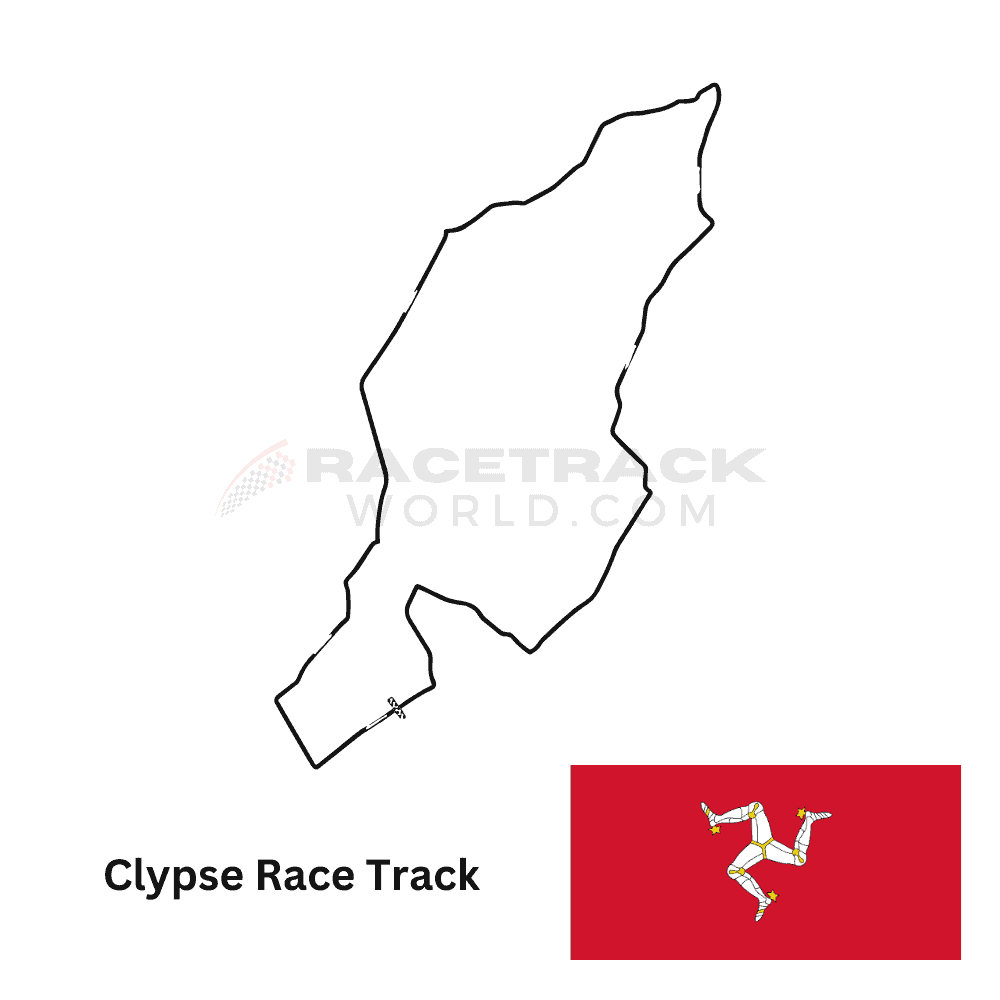
The IOM Clypse Course stretches across 10.7 kilometers (6.6 miles) of the Isle of Man's breathtaking countryside. With 38 exhilarating turns, it boasts a challenging and technical layout that pushes the skills of both riders and drivers to the limits.
The journey commences at the Creg-ny-Baa pub, heading northward toward the majestic Snaefell Mountain. The circuit then meanders eastward, weaving through the charming village of Kirk Michael, before completing its loop back to the starting point at the Creg-ny-Baa pub.
A Challenge for the Brave
The Clypse Course lives up to its reputation as a challenging and thrilling circuit, offering an array of corners that test the mettle of participants. It showcases fast and sweeping bends, along with tight hairpins and chicanes. The course also features a high-speed section along the mountain, where competitors can reach astonishing speeds of up to 320 km/h (200 mph).
History in Every Turn
Since its introduction in 1907, the IOM Clypse Course has been the stage for various national and international motorsports events. It is most famous for hosting the Isle of Man TT, a prestigious and arduous motorcycle race that draws the world's top riders. This race, held annually in late May and early June, attracts a global audience of racing enthusiasts.
Apart from the Isle of Man TT, the Clypse Course has been the backdrop for numerous other motorsports events, including car races, motorcycle races, and hill climbs. It has become a pilgrimage site for motorsports aficionados, who gather to witness thrilling races and immerse themselves in the electrifying atmosphere of the circuit.
A Revered Racing Icon
The IOM Clypse Course is more than just a circuit; it is a revered symbol of motorsports history. With its rich heritage and continuous contributions to the world of racing, it has solidified its place as a significant part of the Isle of Man's motorsports legacy.
This historic circuit inspires both riders and drivers, drawing them to the Isle of Man to challenge themselves on one of the world's most iconic and demanding tracks. Furthermore, it plays a pivotal role in establishing the Isle of Man as a prominent player in international motorsports and as a must-visit destination for motorsports enthusiasts.
Stay Close to the Action
If you plan to experience the adrenaline-pumping events at the IOM Clypse Course, you'll need a comfortable place to stay nearby. Fortunately, there are several hotels that cater to motorsports enthusiasts in the vicinity. Here are a few options to consider:
1. The Creg-ny-Baa Hotel
Located at the starting point of the circuit, The Creg-ny-Baa Hotel offers the ultimate convenience for motorsports fans. With its classic charm, this hotel provides easy access to the racing action and serves as an ideal base for your Isle of Man adventure.
2. Kirk Michael Accommodations
The village of Kirk Michael is not far from the circuit, and you can find a variety of cozy B&Bs and guesthouses in the area. These options provide a relaxed atmosphere and a chance to immerse yourself in the local culture.
3. Douglas Hotels
Douglas, the capital of the Isle of Man, is a short drive from the Clypse Course. Here, you'll find a wide range of hotels, from luxury establishments to budget-friendly options. Douglas offers a bustling atmosphere, making it an excellent choice for those seeking diverse dining and entertainment opportunities.
The IOM Clypse Course is a historic and iconic racing circuit that continues to capture the hearts of motorsports enthusiasts. Whether you're a rider, a driver, or a spectator, this circuit promises an unforgettable experience. It's a testament to the Isle of Man's dedication to motorsports and its enduring legacy in the world of racing. Don't miss the chance to be part of the action at this remarkable destination.
Link to History Video: Clypse Course