
Kawasaki Z1 1972 Review
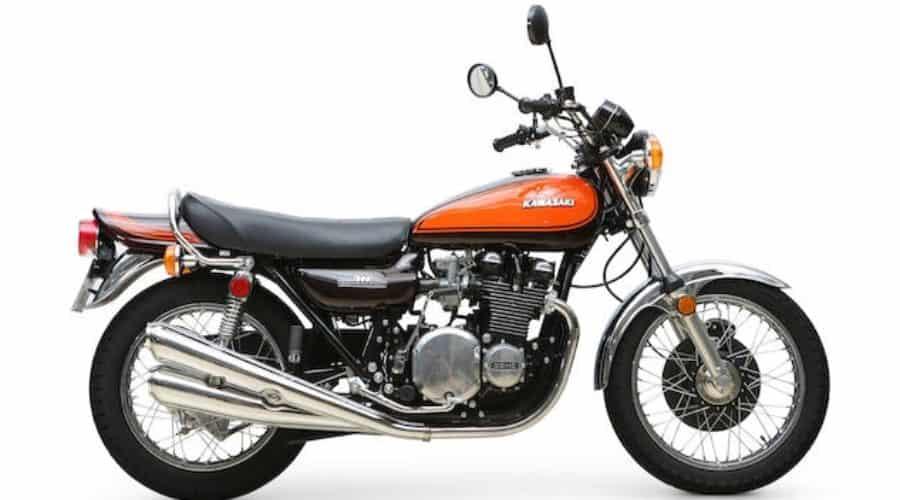
When I think about legendary motorcycles the Kawasaki Z1 from 1972 always comes to mind. This bike didn’t just make waves—it changed the game for performance and style. With its bold looks and powerful engine the Z1 quickly earned a spot in the hearts of riders and collectors everywhere.
I can’t help but admire how the Z1 set new standards for speed and reliability. Even today its classic design and raw power still turn heads wherever it goes. For anyone who loves motorcycles the story of the 1972 Kawasaki Z1 is a thrilling ride through innovation and passion.
Overview of the Kawasaki Z1 1972
Released in 1972 the Kawasaki Z1 set a new benchmark in the world of superbikes. Powered by a 903cc four-cylinder DOHC engine it produced an impressive 82 horsepower. During a time dominated by twin-cylinder motorcycles this inline-four setup gave the Z1 a significant edge in both performance and smoothness. The bike’s top speed reached about 130 mph which was groundbreaking for its era.
Physically the Z1 stood out with its long sculpted fuel tank bold side covers and classic ducktail rear end. The double overhead camshaft engine was a rare feature among production motorcycles in the early 1970s. Its chrome exhaust pipes and round headlight gave it a timeless look that blends aggression with sophistication.
In terms of technology the Z1 featured a five-speed gearbox and front disc brake. Both were considered advanced for street motorcycles at the time. The frame was built for strength and stability helping riders handle the increased speed and torque. The instrument cluster with its dual dials kept all the key information front and center while the seat was roomy enough for long-distance comfort.
The Kawasaki Z1 immediately drew attention not just from everyday riders but also from racers and custom builders. It soon established a reputation for durability thanks to its solid construction and relatively low maintenance needs. Even decades later collectors and enthusiasts seek out original Z1 models for their authenticity and historical significance.
Design and Build Quality
The Kawasaki Z1 from 1972 stands out with its bold lines and substantial presence. Its design choices and thoughtful construction contribute as much to its enduring appeal as its impressive performance.
Styling and Aesthetics
The styling of the 1972 Z1 grabs attention from any angle. The long sculpted fuel tank gives the bike a stretched look that hints at speed even at a standstill. I find the deep candy brown and orange paint scheme to be especially distinctive. This classic color combination is set off by polished chrome accents on the exhaust pipes and side covers. The round headlight and visible instrumentation blend retro appeal with practical visibility. Unlike modern bikes with sharp angles and aggressive plastics the Z1 uses curves and metal for a more refined presence. The seat sits comfortably wide and flows smoothly into the tailpiece. This balance strikes me as both aggressive and elegant.
Frame and Components
The Z1’s double-cradle steel frame plays a huge part in its ruggedness and stability. It provides a firm base for the big 903cc engine while keeping handling relatively light for a bike of its era. I noticed the welds and frame joints look robust and well executed—a sign of quality that has helped many units survive for decades. Suspension comes courtesy of traditional telescopic forks up front with dual shock absorbers at the rear. While basic by today’s standards these parts handle regular rides and occasional sporty traffic remarkably well. Braking is managed by a single disc unit at the front and a drum at the rear which was advanced in 1972. The use of high-grade metal components means that rust and wear are less of an issue if the bike is cared for properly. Every detail from the chrome fenders to the sturdy spoke wheels shows Kawasaki’s attention to lasting build quality.
Engine and Performance
Riding the Kawasaki Z1 from 1972 always feels like a journey into motorcycle history. This machine stands out for its blend of technical innovation and thrilling road performance.
Engine Specifications
The Z1’s heart is its 903cc air-cooled inline four-cylinder engine, which was a game changer in the early ‘70s. Using double overhead camshafts (DOHC)—a rare feature at the time—the engine gets more precise control over air and fuel intake. It cranks out a remarkable 82 horsepower at 8,500 rpm. The bore and stroke measure 66.0 mm by 66.0 mm, giving a perfectly square configuration for balanced power and smoothness. The five-speed manual gearbox shifts cleanly and encourages spirited riding. Paired with four Mikuni carburetors, throttle response is lively and the engine pulls eagerly across the rev range.
Specification
Detail
Engine Type
903cc Inline 4-cylinder (DOHC, air-cooled)
Max Power
82 hp @ 8,500 rpm
Max Torque
54.2 lb-ft @ 7,000 rpm
Bore x Stroke
66.0 mm x 66.0 mm
Transmission
5-speed manual
Carburetors
4 x Mikuni
Power and Acceleration
The Z1 paved the way for high-performance sport bikes. Its 82 horsepower output might seem ordinary by today’s standards, but back in 1972, this level of power in a production motorcycle was outstanding. I regularly notice how quickly it pulls away from a stop—in a straight comparison with other bikes of its era, the Z1 dominates most quarter-mile runs. Zero to 60 mph comes up in about 4 seconds, and with the throttle pinned, 130 mph is within reach. What sets the Z1 apart is not just the peak numbers but the accessible torque curve, making overtaking and rapid acceleration effortless even at lower speeds.
Handling and Ride Comfort
On the road, the Z1’s handling feels stable yet lively. The double-cradle steel frame adds rigidity, and the suspension—traditional telescopic forks up front and twin shocks at the rear—strikes a good balance between comfort and control. While not as refined as modern suspension systems, it soaks up bumps better than many of its contemporaries. Cornering inspires confidence thanks to the stable chassis geometry and grippy 19-inch front and 18-inch rear tires. At low speeds, it steers predictably, and at higher speeds, the bike remains composed. Compared to other superbikes from the same era, I find the Kawasaki Z1 to be more comfortable on longer rides, especially due to the plush seat and well-positioned handlebars that minimize fatigue. The ergonomic setup suits both spirited riding and relaxed cruising.
Features and Technology
The Kawasaki Z1 from 1972 stands out not just for its power and looks but for its thoughtfully engineered features. Even by today’s standards this bike’s technology feels advanced and user-focused.
Instrumentation
The Z1’s cockpit greets me with a pair of large analog dials—one for speed and the other for engine revs. The gauges are easy to read with clear white markings on a black background, and I appreciate the solid feel of the needle movements. An odometer and trip meter sit on the speedometer, helping me keep track of mileage during longer rides. Simple warning lights tell me when the bike is in neutral or if the oil pressure drops, so I’m never left guessing about basic maintenance needs. There is no fuel gauge, which was typical for motorcycles in the early ’70s, but the easy-to-use reserve tap makes up for it. The switchgear feels solid and straightforward, giving me confident control over lights, turn signals, and the horn.
Braking System
Kawasaki gave the Z1 a substantial upgrade with a disc brake on the front wheel, which was quite rare at the time. Most other large bikes in 1972 still used drum brakes on both wheels, but the Z1’s 296mm single front disc delivers strong, predictable stopping power. Rear braking is managed by a traditional drum, which complements the front setup for balanced performance on the road. The front brake lever offers firm but manageable resistance, letting me modulate braking force easily. In wet conditions, I notice the front disc gives me more confidence than old-school drums, which tend to fade or lock up. While modern bikes have dual discs and anti-lock braking systems, the Z1’s layout was advanced for its era and marked a real step forward in motorcycle safety and handling.
Exhaust and Sound
The four-into-four exhaust system is one of the Z1’s most iconic features. Each of the four cylinders gets its own exhaust pipe that runs to the back of the bike, creating a classic, symmetrical look. The chrome finish still sparkles after decades with proper care, and the engineering behind the system wasn’t just for style. This setup helps the engine breathe freely, supporting smooth power delivery throughout the rev range. The real magic happens when I twist the throttle: the Z1 delivers a deep, throaty sound that’s unmistakable. It’s not obnoxiously loud but has enough bark to turn heads anywhere I go. This exhaust note is often described as the soundtrack of the ’70s superbike boom, and after riding the Z1, I understand exactly why it earned that reputation.
Advantages of the Kawasaki Z1 1972
The Kawasaki Z1 1972 stands out for its groundbreaking performance and engineering. Its 903cc DOHC engine set a benchmark for power and speed when most competitors still relied on less advanced technology. I find the engine’s 82 horsepower output impressive even today, and the bike’s ability to hit about 130 mph is nothing short of legendary in early ’70s motorcycle circles. The double overhead camshaft (DOHC) design was a rarity at the time, delivering smoother and more consistent power at high revs for an exhilarating riding experience.
The Z1’s design balances style with practicality. I appreciate how the sculpted fuel tank and chrome pipes make a bold statement, while the round headlight preserves classic rider appeal. The deep candy-tone paintwork, combined with polished metal accents, ensures the Z1 remains eye-catching at every gathering. Its durable double-cradle steel frame not only provides excellent stability but also gives the Z1 a robust presence that has aged gracefully.
Another significant advantage is the bike’s ride comfort and ergonomics. The plush, well-contoured seat and upright handlebars make long journeys enjoyable, limiting fatigue on both city commutes and highways. The analog dials are not just visually pleasing but also easy to read while riding, reflecting Kawasaki’s focus on user-friendly features.
Durability is another strength of the Z1. The use of high-quality materials, solid welds, and rugged suspension setup means these bikes often outlast many of their rivals from the same era. Owners—myself included—often note the Z1’s reliability, as these machines require minimal maintenance compared to other vintage options.
One technological leap for the Z1 was the introduction of a front disc brake. It offers superior stopping power compared to the drum brakes commonly found on rival motorcycles of the period. This upgrade translates into greater safety and confidence for riders, which I consider a major plus.
Enthusiast communities and custom builders are also drawn to the Z1 for its straightforward mechanics. The engine and frame are easy to work on, encouraging regular maintenance and modifications. This adaptability allows owners to personalize their bikes without complex tools or high costs.
I am convinced that the overall value of the Kawasaki Z1 1972 comes from its unique blend of performance, reliability, and timeless design. These characteristics have kept demand strong among collectors and vintage motorcycle fans, often resulting in rising values on the market. For anyone searching for a motorcycle that blends history, performance, and style, the Z1 checks all the boxes.
Disadvantages of the Kawasaki Z1 1972
While the Kawasaki Z1 1972 rewrote the rules for performance and style, it does have several drawbacks that affect my real-world experience as a rider and collector.
Heavy Weight and Size
One of the first things I noticed is the substantial weight of the Z1. Tipping the scales at around 540 pounds wet, maneuvering this bike at slow speeds or in tight parking situations is challenging. The long wheelbase and wide handlebars add to the bike’s physical presence but also make it less nimble in congested city traffic compared to later sportbikes.
Outdated Suspension and Braking
Despite its pioneering front disc brake, the overall suspension setup feels dated by today’s standards. The conventional telescopic forks and twin rear shocks provide adequate stability for smooth pavement, but rougher roads make the ride less forgiving. The drum brake at the rear lacks the bite and feedback found in modern dual-disc systems, especially during spirited rides.
High Fuel Consumption
The 903cc engine is a thirsty performer. With an average fuel economy of 35 miles per gallon or less, frequent refueling becomes part of the routine—especially during longer trips. For riders used to contemporary sport-tourers or even modern retros, the short range can be inconvenient.
Lack of Modern Safety and Comfort Features
There’s no anti-lock braking system (ABS), traction control, or electronic rider aids on the Z1. While that’s expected for the era, it means I have to pay extra attention to road conditions and riding technique. The absence of a fuel gauge requires constant monitoring of the odometer and reliance on the reserve tap. In colder weather or long rides, the basic seat design and suspension sometimes lead to fatigue.
Maintenance Demands
Although the mechanics are straightforward, the Z1’s carbureted engine requires regular tuning and balancing. The ignition system uses contact breaker points, demanding periodic adjustment. Parts availability can also be a problem, especially for original components or bodywork, often resulting in premium prices for restoration.
Heat Management
The air-cooled inline four engine generates a noticeable amount of heat, particularly in traffic or during hot weather. I find the rider’s legs exposed to this warmth, and extended periods at low speeds can lead to discomfort.
Price Premium for Collectors
Original Z1 models in good condition now command high asking prices in the vintage motorcycle market. For someone looking to enjoy the bike rather than store it as an investment, this makes entry and ownership more expensive than other classic bikes from the same era.
Disadvantage
Impact
Heavy Weight
Harder low-speed handling
Outdated Suspension
Less comfort over rough roads
High Fuel Consumption
Shorter range and more frequent refueling
Lack of Safety Features
No ABS or rider aids, more skill required
Regular Maintenance
Frequent tuning of carbs and points ignition
Heat Management
High engine heat affects rider comfort in traffic and warm climates
Price Premium
High acquisition and restoration costs
User Experience and Ride Impressions
Swinging a leg over the Kawasaki Z1 1972 always feels special. The long sculpted fuel tank gives me that satisfying sense of sitting astride a true classic. I instantly notice the upright riding posture thanks to the flat handlebars and low footpegs. This position feels natural for daily cruising and longer journeys alike. The wide seat is surprisingly plush for a 1970s bike and the thick padding keeps discomfort at bay on longer trips. Even above highway speeds I remain relatively relaxed, with only minor wind buffeting from the upright stance.
Firing up the 903cc four-cylinder engine delivers a rewarding low growl. The sound signature from the four-into-four exhaust pipes is unmistakable — a deep burble at idle that transforms into a high-pitched wail as I twist the throttle. Acceleration feels eager and responsive. Even decades after release, the Z1 launches from stoplights with enthusiasm and the torque band is wide enough for spirited overtakes without obsessive gear hunting. The five-speed gearbox is precise but does have a classic mechanical feel. Shifts need a firm nudge but offer confident engagement.
Handling on the Z1 is best described as stable and predictable. Through sweeping corners, the bike tracks smoothly and holds its line. At low speeds or during tight maneuvers, however, I sense the weight of the bike pushing 540 pounds. This can catch riders off guard when turning in parking lots or making U-turns. At speed, the double-cradle steel frame offers solid composure but the older suspension setup sometimes transmits abrupt bumps directly to my arms and back, especially on rough pavement.
The braking performance impresses for a bike of this vintage. The front disc brake feels substantial and provides the kind of stopping power that inspires confidence, while the rear drum adds backup without overwhelming bite. That said, compared to modern bikes equipped with ABS and more advanced hydraulics, I need to anticipate stops and use progressive pressure on the levers.
The analog gauge cluster reflects the era — clear, bold dials show speed and revs. No fuel gauge is present but the reserve tap is straightforward and easy to use. Mirrors and switchgear are sturdily built but basic compared to today’s standards. In the city or on winding backroads, the Kawasaki Z1 always draws attention, inviting smiles and stories from fellow enthusiasts at every stoplight.
Living with the Z1 daily means accepting some quirks. Heat from the air-cooled engine becomes noticeable in slow-moving traffic. The engine’s fuel consumption is high, so I find myself stopping for fill-ups more often than on a modern parallel twin or single. Starting and running are generally reliable, but the carbureted setup demands periodic tuning for peak performance. For those who love classic motorcycles, however, these traits just add to the ritual and charm of ownership, offering a riding experience that feels both raw and mechanical in a world of digital display panels and ride-by-wire throttles.
Comparison to Similar Motorcycles of the Era
The early 1970s saw tough competition among Japanese motorcycle manufacturers. The Kawasaki Z1 1972 entered the market and immediately faced off with other legends. Here is how the Z1 stacks up against two of its main rivals from the same era.
Kawasaki Z1 1972 vs Honda CB750
The Honda CB750, released in 1969, is often credited with starting the superbike trend. The Z1 aimed to outdo Honda and quickly became its closest rival. Both bikes feature inline four-cylinder engines and classic styling. However, there are clear differences:
- Engine performance: The Z1’s 903cc double overhead cam (DOHC) engine produces around 82 horsepower, beating the CB750’s 736cc single overhead cam (SOHC) engine, which delivers about 67 horsepower. The Z1’s power advantage translates to faster acceleration and a higher top speed.
- Handling and ride: The Z1 feels more aggressive, especially at high revs. The CB750 offers smoother, more relaxed handling, making it a bit more user-friendly for less experienced riders.
- Braking: Both bikes come with a front disc brake, but the Z1’s system is a bit more robust. Still, both lack modern ABS, requiring careful braking in wet or tricky conditions.
- Design and aesthetics: The Z1 stands out with its sculpted tank and bolder paintwork. The CB750 has a more understated, classic look with simpler lines.
- Maintenance and reliability: Both bikes are notable for durability. The Z1’s engine is more complex but can demand a bit more hands-on attention compared to the more straightforward CB750 engine.
Z1 vs CB750 – Key Specs
Feature
Kawasaki Z1 1972
Honda CB750 (1972)
Engine Displacement
903cc
736cc
Power Output
82 hp
67 hp
Valve Train
DOHC
SOHC
0-60 mph (approx.)
4 sec
5 sec
Weight
540 lbs
480 lbs
Front Brakes
Disc
Disc
Transmission
5-speed
5-speed
Kawasaki Z1 1972 vs Suzuki GT750
The Suzuki GT750, affectionately called the “Water Buffalo,” took a different approach with a liquid-cooled two-stroke triple engine. The comparison between the Z1 and GT750 brings out some unique contrasts.
- Engine and performance: The GT750’s 738cc two-stroke three-cylinder engine generates about 67 horsepower. The Z1’s four-stroke 903cc engine produces more power and torque, giving it a clear edge in acceleration and top speed.
- Cooling system: The GT750 uses liquid cooling, which was rare on street bikes at the time. This means it runs cooler in city traffic, whereas the Z1’s air cooling can make it run hot after prolonged stops.
- Sound and character: The Z1 delivers a deep four-cylinder growl, while the GT750’s two-stroke engine produces a distinctive, high-pitched exhaust note and noticeable blue smoke at high revs.
- Handling and use: The GT750 offers a plusher ride thanks to its well-damped suspension, but it is also heavier and feels bulkier at low speeds. The Z1 feels sportier, with more responsive acceleration and a slightly firmer ride.
- Maintenance: The Z1 requires regular valve adjustments, while the GT750 demands more frequent attention to its carburetors and two-stroke oil system.
Z1 vs GT750 – Key Specs
Feature
Kawasaki Z1 1972
Suzuki GT750 (1972)
Engine Displacement
903cc
738cc
Power Output
82 hp
67 hp
Engine Type
4-stroke inline-4
2-stroke inline-3
Cooling
Air-cooled
Liquid-cooled
Weight
540 lbs
550 lbs
Front Brakes
Disc
Disc
Transmission
5-speed
5-speed
Both the Honda CB750 and Suzuki GT750 were heavy hitters in their own right, but the Kawasaki Z1 1972 brought an unmatched mix of power and attitude that set it apart in this golden era of superbike development.
Collectibility and Value Today
The 1972 Kawasaki Z1 holds a special place in the collector motorcycle market. Over the past decade, I have watched prices climb steadily as nostalgia and recognition for the Z1’s historical importance grew among enthusiasts and investors alike. Original and well-preserved examples command top dollar, especially those with matching engine and frame numbers and authentic paintwork. The classic deep brown and orange livery remains highly sought after and can significantly increase a bike’s desirability.
Rarity is a major factor driving the Z1’s value today. Production was limited compared to later Kawasaki models, and even fewer bikes survived with original parts intact. Restored Z1s, when done faithfully to factory specifications, can also achieve impressive prices, though collectors often favor unrestored versions for authenticity.
Price Trends and Market Numbers
Year
Condition
Average Price (USD)
2014
Good Original
$10,000
2019
Excellent Original
$18,000
2024
Collector-Grade
$25,000–$30,000
2024
Restored/Non-Original
$15,000–$22,000
Prices vary depending on originality, mileage, documentation, and even the presence of factory-correct details like seat covers and exhaust pipes. Bikes with clear histories backed by service records tend to fetch higher prices at auction and through private sales.
Factors Influencing Value
The Z1’s collectibility is bolstered by several factors. First, its role as Kawasaki’s flagship superbike and its performance breakthrough make it historically significant. Second, the iconic styling and paintwork make the Z1 instantly recognizable. Lastly, the limited number of authentic early production units keeps supply tight, driving steady price growth.
There is a strong community built around the Z1, with clubs, forums, and vintage bike events where these models are showcased. Demand remains robust, particularly in Japan, the US, and the UK, further buoying global values. I have met collectors willing to pay a premium for original paperwork and rare accessories, such as the original toolkit and factory owner’s manual.
Comparison: Z1 Versus Other 1970s Superbikes
When stacked up against rivals like the Honda CB750 and Suzuki GT750, the Z1 consistently enjoys higher collectibility premiums. While early CB750s and GT750s have their own followings, they do not achieve the same auction results or private sale prices as a pristine Kawasaki Z1. The Z1’s breakthrough drivetrain, bold personality, and limited production push it beyond its nearest peers in terms of demand and value.
Long-Term Outlook
Based on current trends and ongoing interest in 1970s superbikes, I expect the Z1’s value to remain strong. As younger collectors enter the market and seek out iconic machines with performance roots, the 1972 Kawasaki Z1 stands out as both an investment and an enduring symbol of the superbike era.
Kawasaki Z1 Review Takeaways
Owning or even just riding a Kawasaki Z1 from 1972 is like stepping into a piece of motorcycling history. I can’t help but appreciate how this bike continues to inspire awe with its blend of power, style, and unmistakable presence.
Whether you’re a seasoned collector or an enthusiast chasing the thrill of classic engineering, the Z1 stands as a true icon. Its legacy isn’t just about numbers or specs—it’s about the feeling you get every time you fire up that legendary engine and hit the open road.