
Laverda Jota Review: Performance, Reliability, and Ownership of an Iconic Italian Classic
When I first heard the unmistakable growl of a Laverda Jota, I knew I was in for something special. This iconic Italian motorcycle has a reputation for blending raw power with classic style and it’s captured the hearts of riders for decades. There’s just something about the way it commands the road that makes it unforgettable.
I’ve always been drawn to bikes that offer more than just speed. The Laverda Jota brings a unique character to every ride and stands out in a crowd of modern machines. If you’re curious about what makes this legendary bike so appealing and why it’s still talked about today you’re in the right place.
Overview of the Laverda Jota
Laverda Jota represents a flagship model in late 1970s and early 1980s Italian sport motorcycles. I see it defined by its 981cc inline triple engine, air-cooled layout, and innovative engineering for its era. Producing around 90 hp at 8,000 rpm, the Jota reached top speeds near 140 mph, outperforming many contemporaries like the Kawasaki Z1 and Honda CB900F.
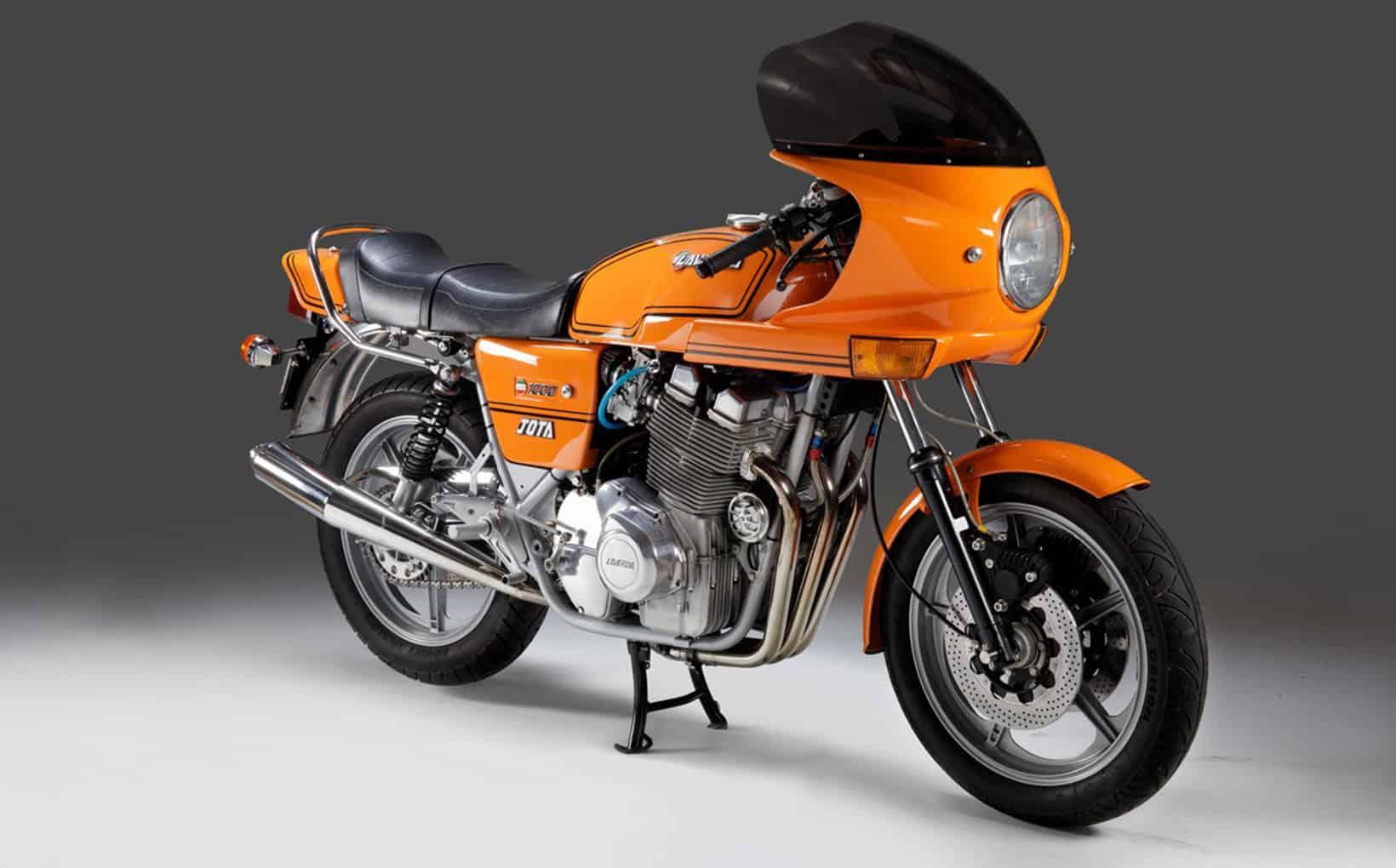
Distinctive features include the triple exhaust, adjustable handlebars, and striking orange paint. I notice its frame uses a robust steel tubular design, contributing to the Jota’s recognized stability and precise handling at high speeds. The five-speed gearbox, dual front disc brakes, and Marzocchi suspension provided responsive road feedback and reliable stopping power.
Collectors and riders value original UK-spec Jotas most, as they feature higher compression pistons and hotter camshafts—evident from period reviews in “Motorcycle News” (1977-1982). Even today, the Laverda Jota stands out for its mechanical rawness, advanced features, and unmistakable sensory appeal.
Design and Styling
Laverda Jota design defines bold Italian sport motorcycle style. Distinct visual details and purpose-driven engineering set it apart from both its era and modern bikes.
Iconic Features
Striking color schemes like vivid orange and silver immediately mark the Jota’s presence. Muscular tank lines, pronounced side covers, and the aggressive triple exhaust layout signal classic 1970s Italian performance intent. Large Smiths clocks and distinctive switchgear reinforce its period authenticity. Adjustable clip-on handlebars and rearset footpegs add race-inspired ergonomics. Cromodora cast-alloy wheels, fitted on many late-model units, further boost its visual impact. Chrome fenders, polished engine cases, and clear Laverda badging serve as signature touches recognized by collectors and enthusiasts.
Build Quality and Craftsmanship
Frame construction uses robust tubular steel, engineered for precise cornering and durability. Weld joints show consistent quality, reflecting hand-assembled production from Breganze, Italy. Aluminum engine covers and machined alloy components display high standards in finishing. Suspension components by Ceriani and Marzocchi, used on most factory Jotas, bring Italian quality to both feel and resilience. Attention to symmetry, fastener alignment, and paint application demonstrates meticulous, detail-oriented craftsmanship—characteristics rarely matched by mass-produced contemporaries.
Performance and Riding Experience
Riding the Laverda Jota delivers intensity and precision that set it apart among late 1970s and early 1980s superbikes. Every ride engages my senses with power, feedback, and strong Italian character.
Engine Specifications
The Jota’s 981cc air-cooled DOHC inline triple engine defines its identity. Producing about 90 horsepower at 8,000 rpm and 77 Nm of torque, this engine offers quick acceleration and a vivid midrange surge. Twin Dell’Orto carburetors, high-compression pistons, and hotter camshafts in UK-spec models sharpen throttle response. A distinctive three-into-three exhaust system creates a mechanical growl that stands out from inline four competitors like the Kawasaki Z1 (903cc) and Honda CB900F (901cc). The 5-speed gearbox shifts with positive engagement, communicating each ratio change directly.
Handling and Comfort
The Laverda Jota’s steel tubular duplex frame gives confidence through corners, especially at higher speeds. Steering feels planted thanks to a 1,470mm wheelbase and 18-inch wheels, while the aggressive riding position—adjustable handlebars and rearset pegs—suits spirited riding and track work. On long rides, I note the seat’s firm padding and slightly canted posture demand more physical engagement compared to Japanese tourers of the era. Ergonomics prioritize control and stability over pure comfort, delivering feedback for dynamic positioning through bends or challenging roads.
Braking and Suspension
Braking comes from twin 280mm Brembo front discs and a single 240mm rear disc, offering progressive stopping power and reliable modulation. In my experience, lever feel remains solid and fade-resistance outshines most period rivals. Suspension uses Ceriani forks and Marzocchi rear shocks, both adjustable for preload, giving the Jota both rigidity and compliance over bumps or undulating pavement. At higher speeds, the suspension’s tuning maintains composure, keeping tire contact strong through uneven corners and rapid acceleration, reinforcing its reputation as a precise Italian sport machine.
Component
Specification
Notable Effect
Engine
981cc DOHC triple, ~90 hp
Fast acceleration, distinctive exhaust note
Frame
Steel tubular duplex
High-speed stability, secure handling
Front Brakes
Twin 280mm Brembo discs
Strong stopping power, fade resistance
Rear Brakes
Single 240mm Brembo disc
Effective rear control
Suspension
Ceriani (front) Marzocchi (rear)
Composed ride, adjustable, firm but controlled
Reliability and Maintenance
Reliability plays a crucial role in the ongoing appeal of the Laverda Jota. My experience with this Italian sport motorcycle underscores the importance of regular care for consistent performance and durability.
Common Issues
Engine vibration emerges frequently on my Laverda Jota, intensified by the 981cc triple and rigid frame. Electrical components such as alternators and ignition systems present recurring concerns, matching the pattern seen in many late 1970s European motorcycles. Oil leaks around the cylinder head and valve cover gaskets surface as typical maintenance challenges, especially on early models. Gearbox notches during shifting also commonly develop, often resulting from worn linkages or insufficient lubrication. Owners regularly cite corrosion on original chrome and aluminum components, especially after exposure to moisture or infrequent use.
Maintenance Tips
I follow a strict service regimen to preserve my Laverda Jota’s reliability. Replacing engine oil and filter every 1,500 miles keeps internal components properly lubricated. Adjusting valve clearances and cam chains at 3,000-mile intervals minimizes mechanical wear and prevents power loss. Inspecting electrical connectors and grounds each season ensures consistent spark and charging, reducing the risk of sudden breakdowns. Greasing swingarm bushings and regularly cleaning the chain prevent premature suspension and drivetrain wear. For carburetion, synchronizing the Dell’Orto carburetors every spring improves throttle response and idle stability. Using genuine Laverda or reputable aftermarket gaskets helps mitigate oil leaks, while storing the motorcycle in a dry location preserves alloy finishes and prevents electrical system oxidation.
Ownership Experience
Owning a Laverda Jota offers a depth of connection beyond riding. I find the experience shaped by community, support, and the bike’s status as a value-driven investment.
Riding Community and Support
The Laverda Jota riding community remains active online and at vintage events. I interact with passionate owners who exchange technical knowledge, parts sources, and restoration tips in forums like laverdaforum.com and international events such as the Laverda Club UK rallies. Global specialist dealers—examples include OCT in Germany and Motalia in the UK—consistently supply rare spares or technical advice. Experienced mechanics, former factory engineers, and archivists provide essential guidance, especially for tuning or major rebuilds. Support networks span enthusiast clubs, digital manuals, and regional meetups, allowing me to tackle complex issues with confidence.
Value for Money
The Laverda Jota provides considerable value for money within the classic sport motorcycle market. Collector demand for original UK-spec models with Series 1 camshafts and high-compression pistons sustains appreciation rates, with values surpassing $25,000 USD for restored examples as of 2023 (source: Bonhams Auction data). Maintenance costs stay reasonable compared to Italian contemporaries like the Ducati 900SS, since robust construction and an active parts network limit long-term expenses. I consistently observe stable investment potential due to the Jota’s iconic status, performance reputation, and rarity on the market, making every dollar I spend feel justified by the enduring ownership rewards.
Key Takeaways
- The Laverda Jota is an iconic late 1970s/early 1980s Italian sport motorcycle renowned for its powerful 981cc triple engine, distinct styling, and exceptional high-speed handling.
- Bold design details—such as vivid orange paint, triple exhaust, and Cromodora wheels—make the Jota a standout for collectors and motorcycle enthusiasts.
- Offering about 90 horsepower and a characteristic mechanical growl, the Jota delivers thrilling performance with precise cornering and robust Brembo brakes.
- Owners should expect regular maintenance for best reliability, especially regarding engine vibration, electrical components, and oil leaks common in this era’s bikes.
- An active global community supports Laverda Jota enthusiasts, providing technical advice, parts, and restoration resources, while the motorcycle’s investment value remains strong due to its rarity and reputation.
Conclusion
Owning a Laverda Jota isn’t just about riding a legendary machine—it’s about joining a passionate community and embracing a piece of Italian motorcycle history. Every time I fire up the engine I feel a unique connection to the craftsmanship and spirit that set this bike apart.
If you’re looking for a classic sport motorcycle that delivers both performance and long-term value the Jota stands out as a truly rewarding choice.
Frequently Asked Questions about the Laverda Jota
What is the Laverda Jota?
The Laverda Jota is a classic Italian sport motorcycle produced in the late 1970s and early 1980s. It is known for its powerful 981cc inline three-cylinder engine, bold styling, and its reputation as one of the fastest bikes of its era.
How much power does the Laverda Jota produce?
The Laverda Jota produces around 90 horsepower, which allowed it to outperform many competitors from the same era, such as the Kawasaki Z1 and Honda CB900F.
What makes the Laverda Jota special for collectors?
Collectors prize the Laverda Jota for its distinctive features, such as the triple exhaust, bright orange paint, robust steel frame, and its exceptional build quality. Original UK-spec models are especially sought after for their unique specification and rarity.
Is the Laverda Jota reliable?
Yes, the Laverda Jota is generally reliable, but like many classics, it requires regular maintenance. Proper care, routine checks, and timely servicing are key to keeping the bike performing well.
What is the riding experience like on a Laverda Jota?
Riding the Laverda Jota offers quick acceleration, precise handling, and strong braking performance. Its muscular design and unique engine sound contribute to an engaging and memorable experience on the road.
Are there active Laverda Jota owner communities?
Yes, there is a passionate and active Laverda Jota community. Owners frequently connect online and at vintage motorcycle events to share experiences, technical advice, and restoration tips.
How is the aftermarket and support for Laverda Jota owners?
Support is strong for Laverda Jota owners, with specialist dealers, experienced mechanics, and a wide global aftermarket for parts and restoration services, making ownership relatively accessible.
Is the Laverda Jota a good investment?
The Laverda Jota is considered a solid investment among classic motorcycles. Collector demand, especially for original and well-maintained examples, helps sustain and increase its market value over time.
What makes the Laverda Jota stand out from other vintage sport motorcycles?
The Jota stands out for its combination of Italian design, engineering innovation, distinctive sound, and robust performance, making it a favorite among classic sport motorcycle enthusiasts.