
Moto Guzzi Le Mans Review: Iconic Italian Sport Bike Performance, Specs, and Collector Appeal
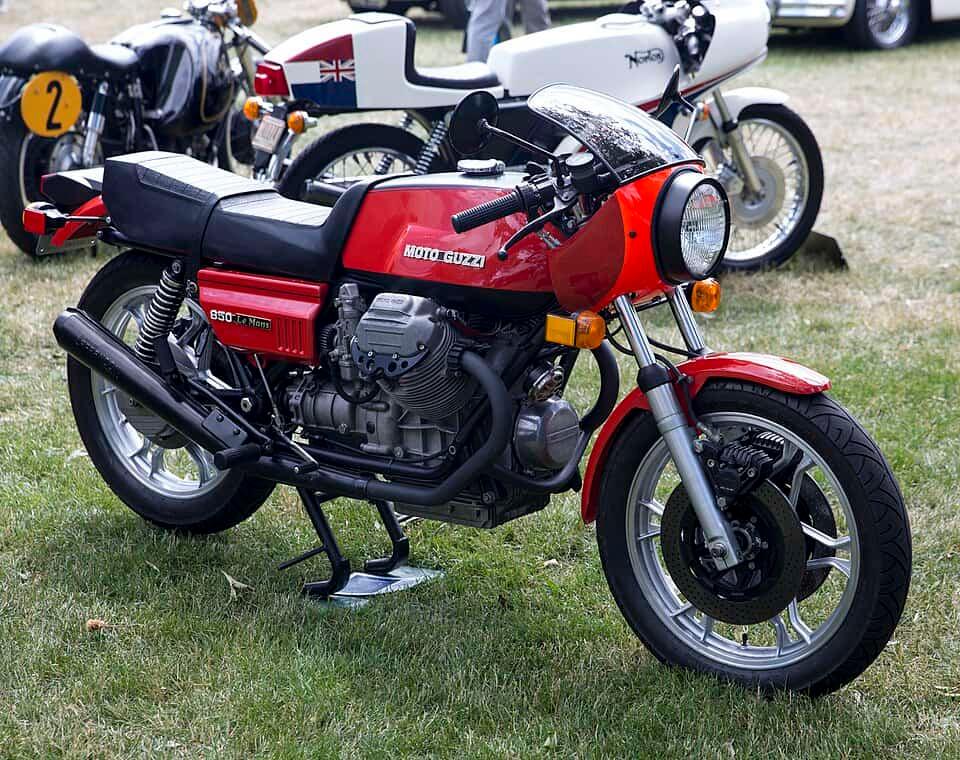
Every time I swing a leg over the Moto Guzzi Le Mans I feel a rush of anticipation. This iconic Italian machine isn’t just a motorcycle—it’s a statement. Born from racing heritage and crafted for riders who crave something different the Le Mans has earned its place in motorcycling history.
I’ve always admired bikes that blend raw character with real-world performance and the Le Mans delivers both in spades. From its distinctive V-twin rumble to its unmistakable silhouette this bike turns heads wherever it goes. If you’re curious about what makes the Moto Guzzi Le Mans so special you’re in the right place.
Overview of the Moto Guzzi Le Mans
Moto Guzzi Le Mans uses a 90-degree V-twin engine, air-cooled layout, and shaft drive system. This configuration gives the motorcycle a unique profile and responsive power delivery across different model years, including the Mark I, Mark II, and later variants. I see distinct visual elements like the angular nose fairing, dual instrument gauges, and cast-alloy wheels as hallmarks across production runs from 1976 to the late 1990s.
Performance characteristics show the Le Mans produces between 71 and 81 horsepower, depending on the model, with top speeds ranging from 125 to 140 mph. Handling feels stable due to the long wheelbase and tubular frame geometry. Moto Guzzi’s emphasis on reliability and mechanical simplicity remains apparent with the minimalistic controls and robust construction.
Riders connect the Le Mans with outstanding braking, especially exemplified by the triple-disc Brembo setup found on several iterations. Paint schemes in classic red, black, and silver reinforce the Italian aesthetic, while the slim seat and aggressive tank design hint at sport-oriented ergonomics. I notice that the Le Mans attracts motorcycle collectors and daily riders who value authenticity in classic European sport bikes.
Design and Build Quality
Design and build quality define the Moto Guzzi Le Mans, combining Italian style with robust engineering. Every element, from the frame to the finish, ties directly into its racing legacy and everyday functionality.
Aesthetic Appeal
Aesthetic appeal drives my fascination with the Le Mans. Smooth lines, aggressive fairing, and signature red paint define its visual identity. Moto Guzzi’s triple-louvered side panels and twin round headlamps give the Le Mans a distinct 1970s racing vibe. Cast alloy wheels and minimal chrome highlight performance above ornamentation. Classic Le Mans models—like Mark I in Rosso Corsa red or Mark III with a squared-off tail—show Moto Guzzi’s commitment to heritage design cues.
Ergonomics and Comfort
Ergonomics and comfort matter on every ride with the Le Mans. Rearset foot pegs place me in a firm, slightly leaned-forward position, ideal for sporty control. Narrow, sculpted seats keep long-distance fatigue low for a bike of its era. Moto Guzzi’s clip-on handlebars place my wrists and shoulders in line with the tank, improving wind resistance on open highways. Even the slim tank allows my knees to tuck in for added stability, which complements the long wheelbase and low center of gravity. While firm suspension and limited wind protection prioritize sport-focused riding, I still notice careful attention to rider support across the Le Mans generation spectrum.
Performance and Handling
Performance defines the Moto Guzzi Le Mans riding experience, blending Italian engineering with distinct characteristics. Handling stands out for its stability, responsiveness, and rider-focused dynamics that remain rooted in racing tradition.
Engine Specifications
Engine specifications reflect the unique Moto Guzzi Le Mans profile. I ride with the 844cc air-cooled 90-degree V-twin engine, producing 71-81 hp, depending on the Mark variant. Peak torque arrives around 60 lb-ft at 6000 rpm. Power delivery feels broad and responsive due to the longitudinal crank design and shaft drive. The engine revs smoothly to a maximum speed between 125 and 140 mph across different models, maintaining mechanical simplicity and reliability through a robust two-valve per cylinder configuration. Electronic ignition and Dell’Orto carburetors optimize throttle response, highlighting engineering that delivers both performance and durability.
Riding Experience
Riding experience emphasizes stability and control on the Moto Guzzi Le Mans. The long wheelbase and tubular steel frame deliver predictable cornering at high speeds. I lean into turns confidently thanks to the 18-inch front and rear wheels paired with the triple-disc Brembo brakes, which respond with strong, progressive stopping power. The steering geometry, with a 27.5-degree rake, contributes to stable handling rather than razor-sharp quickness, catering to longer sport rides and highway sweeps. Suspension settings are firm through dual rear shocks and a telescopic front fork, keeping the chassis composed on varying surfaces. Vibration remains present but never intrusive, reinforcing the engine’s iconic presence without sacrificing ride comfort. Rearset pegs, low clip-ons, and a supportive saddle position me securely for spirited riding, while classic controls foster a direct connection with the machine at any speed.
Features and Technology
Moto Guzzi Le Mans impresses with mechanical features that prioritize reliability, performance, and distinctiveness. The signature 90-degree air-cooled V-twin engine uses a longitudinal crankshaft layout, reducing vibration and improving torque delivery. Shaft drive ensures low-maintenance operation, avoiding the stretching and mess of chain systems often found on other sport bikes. The triple-disc Brembo braking setup provides consistent stopping power, especially effective at high speeds or aggressive riding, as seen on the Mark I, Mark II, and subsequent variants.
Instrumentation on the Le Mans is minimal but functional, with twin analog dials for speed and rpm, basic warning lights, and a clear layout that suits its classic sport focus. Switchgear is robust, echoing the model’s commitment to simplicity and dependability. Lighting uses classic twin round headlamps, offering strong visibility for night riding and contributing to the vintage look. Suspension utilizes adjustable Koni rear shocks and a leading-axle front fork, allowing me to tune the ride for either comfort or sportier handling.
Aerodynamics play a role in overall riding comfort and performance. The Mark I and II use a distinctive bullet-style nose fairing that directs airflow over the rider, improving high-speed stability. Later Le Mans models feature a full front fairing, enhancing both wind protection and efficiency during long-distance rides.
Moto Guzzi incorporates thoughtful touches that set the Le Mans apart from other classic sport bikes. For example, the rearset foot pegs and sculpted saddle increase rider control, especially during spirited cornering. Controls and levers are positioned for quick, ergonomic access, reducing reaction times. On-board electronics remain simple, supporting the model’s reputation for mechanical purity while allowing for straightforward maintenance routines. Every technological feature reinforces the Le Mans’ status as an enduring icon of European sport motorcycle engineering.
Pros and Cons
Pros
- Iconic Italian Design
The Moto Guzzi Le Mans describes classic Italian motorcycle style, with details like the red paint, sculpted seat, and triple-louvered side panels. These visual elements distinguish it on the road and appeal to collectors.
- Robust Engineering
I experience consistent mechanical simplicity and reliability due to the 90-degree air-cooled V-twin engine and shaft drive system. Minimalistic controls and strong frame construction support long-term durability.
- Performance-Oriented Features
The Le Mans uses a 71-81 hp V-twin engine, responsive throttle, and peak torque at 6000 rpm for dynamic power delivery. Models provide stable handling and control through a long wheelbase and tubular steel frame, with triple-disc Brembo brakes for strong stopping force.
- Rider Comfort
Rearset foot pegs, sculpted seats, and clip-on handlebars support sport-focused ergonomics. A longer tank and aerodynamic fairing reduce fatigue on extended rides.
- Collector Appeal
Early Mark I and II variants, limited paint schemes, and classic analog instrumentation attract collectors and those seeking authentic European sport bikes.
Cons
- Firm Suspension
I feel every surface irregularity on rough roads because the sport-tuned suspension setup focuses on road-holding rather than ride softness.
- Limited Wind Protection
Earlier fairings and minimal windshields offer reduced wind deflection at high speeds compared to modern touring or sportbikes.
- Ergonomic Constraints
Aggressive riding posture, with low handlebars and high rearsets, causes discomfort during long-distance touring or commuting.
- Technology Lag
Minimal electronic aids and analog instrumentation lag behind advancements in syncing modern rider expectations with retro features.
- Parts Availability
Sourcing original trim, mechanical parts, or bodywork for restoration projects, especially on earlier variants, poses challenges in some regions.
- Weight
At 450-480 lbs dry weight, the Le Mans outweighs some contemporary European sport motorcycles, impacting agility at low speeds.
Comparison With Competitors
I compare the Moto Guzzi Le Mans against major European and Japanese sport bikes from the same era using performance, technology, reliability, and collector appeal as primary vectors.
- Ducati 900SS:
I see more aggressive handling with the Ducati 900SS (produced from 1975–1982) and a higher-revving Desmodromic L-twin engine, while the Le Mans wins for long-distance stability and unique longitudinal V-twin torque delivery. The Ducati uses a chain drive, unlike the Le Mans shaft drive, making Ducati maintenance slightly more involved.
- BMW R90S:
I find the BMW R90S (produced 1973–1976) matches the Le Mans for reliability and shaft drive simplicity. The R90S inline-twin produces 67 hp and emphasizes comfort, while the Le Mans leads with more sporting ergonomics, distinctive Italian style, and sharper brakes.
- Honda CB900F:
I compare the Honda CB900F (launched in 1979) inline-four to the Le Mans, noting it achieves similar horsepower (roughly 79 hp) but offers a smoother, revvier power band. The Honda’s weight and less distinctive design reduce its desirability among European sport bike collectors, where the Le Mans stands out for styling and heritage.
- Suzuki GS1000S:
I consider the Suzuki GS1000S (introduced in 1978) a direct rival in performance, with a robust air-cooled inline-four delivering strong top-end performance. The Moto Guzzi Le Mans holds ground with unique engine character, shaft drive, and Italian design, while the Suzuki rewards with lighter weight and lower acquisition costs.
Comparative Data
Model
Engine Type
Power (hp)
Top Speed (mph)
Drive System
Notable Trait
Moto Guzzi Le Mans
844cc V-twin
71–81
125–140
Shaft
Italian design, Brembo brakes
Ducati 900SS
864cc L-twin
72
135
Chain
Desmodromic valves, sport handling
BMW R90S
898cc Boxer twin
67
124
Shaft
Reliability, comfort
Honda CB900F
901cc Inline-four
79
130
Chain
Smooth power, reliability
Suzuki GS1000S
997cc Inline-four
90
135
Chain
Light weight, value
I note that where the Moto Guzzi Le Mans leads with character, collector appeal, and unique engineering, competitors like the Suzuki GS1000S and Honda CB900F focus more on outright power and mass-market reliability. The Ducati 900SS and BMW R90S offer strong alternatives, yet the Le Mans’s aesthetic pedigree and sport-focused approach make it a distinct choice in the vintage sport motorcycle segment.
Key Takeaways
- The Moto Guzzi Le Mans stands out for its iconic Italian design, characterized by a distinctive V-twin engine, bold styling, and details that appeal to both riders and collectors.
- Performance and handling are defined by a responsive 90-degree V-twin engine, stable long-wheelbase chassis, and strong triple-disc Brembo brakes, making it a rewarding ride for sport enthusiasts.
- Build quality emphasizes robust engineering, mechanical simplicity, and reliability, with features like shaft drive and minimalistic controls supporting long-term durability.
- Ergonomics offer a sporty, engaging riding position with rearset foot pegs and clip-on handlebars, though firm suspension can reduce comfort on rough roads.
- Compared to competitors like the Ducati 900SS, BMW R90S, and Honda CB900F, the Le Mans is celebrated for its unique character, enduring heritage, and collector appeal, even as it lags behind in electronics and parts availability.
Owning a Moto Guzzi Le Mans is about embracing a unique blend of style performance and heritage. Every ride reminds me why this Italian classic stands out in a crowded field of vintage sport bikes.
Whether I’m carving through winding roads or simply admiring its bold lines in the garage the Le Mans delivers a sense of authenticity that’s hard to match. It’s not just a motorcycle—it’s a statement of passion and individuality that continues to inspire riders and collectors alike.
Frequently Asked Questions about the Moto Guzzi Le Mans
What makes the Moto Guzzi Le Mans unique among classic motorcycles?
The Moto Guzzi Le Mans stands out for its iconic Italian design, 90-degree V-twin engine, and racing heritage. Its shaft drive system and distinctive styling give it a unique character that appeals to collectors and riders seeking something different from mainstream sport bikes.
How much horsepower does the Moto Guzzi Le Mans produce?
Depending on the model and year, the Moto Guzzi Le Mans produces between 71 and 81 horsepower. This provides strong performance for its class while maintaining reliability and rideability.
Is the Moto Guzzi Le Mans suitable for daily riding?
Yes, the Le Mans is suitable for daily riding, especially for those who value classic style and authenticity. Its robust engineering, comfortable riding position, and low-maintenance shaft drive make it practical as well as enjoyable.
What kind of engine does the Moto Guzzi Le Mans have?
The Le Mans features an air-cooled, 90-degree V-twin engine with a longitudinal crankshaft layout. This configuration delivers strong mid-range torque and a unique sound and character.
How reliable is the Moto Guzzi Le Mans?
Moto Guzzi Le Mans bikes are known for their robust construction and mechanical simplicity, making them reliable classics. Regular maintenance and care are important, and sourcing some parts for older models may be challenging.
What are the main pros and cons of the Moto Guzzi Le Mans?
Pros include its iconic design, reliable engineering, strong brakes, and comfortable ergonomics for sport riding. Cons are its firm suspension, limited wind protection, minimal electronic aids, higher weight, and the difficulty in finding certain restoration parts.
How does the Moto Guzzi Le Mans compare to similar bikes from its era?
Compared to bikes like the Ducati 900SS, BMW R90S, and Honda CB900F, the Le Mans offers exceptional character and long-distance stability. While some rivals may have more power or advanced features, few match the Le Mans’s unique combination of style and heritage.
What are some notable design features of the Moto Guzzi Le Mans?
Distinctive design features include its aggressive fairing, sculpted tank, triple-louvered side panels, clip-on handlebars, and red paint scheme. These elements reflect its racing legacy and Italian flair.
Are Moto Guzzi Le Mans models collectible?
Yes, especially early variants like the Mark I and Mark II are highly sought after by collectors due to their historical significance, distinctive design, and limited production numbers.
How comfortable is the Moto Guzzi Le Mans for long rides?
While sporty and supportive for spirited riding, the Le Mans’s firm suspension and rearset foot pegs can make long-distance touring less comfortable compared to modern touring bikes. It’s best suited for shorter rides or sporty touring.