Motorcycle Review
Buying a Suzuki Hayabusa: Generations, Test Rides and Maintenance
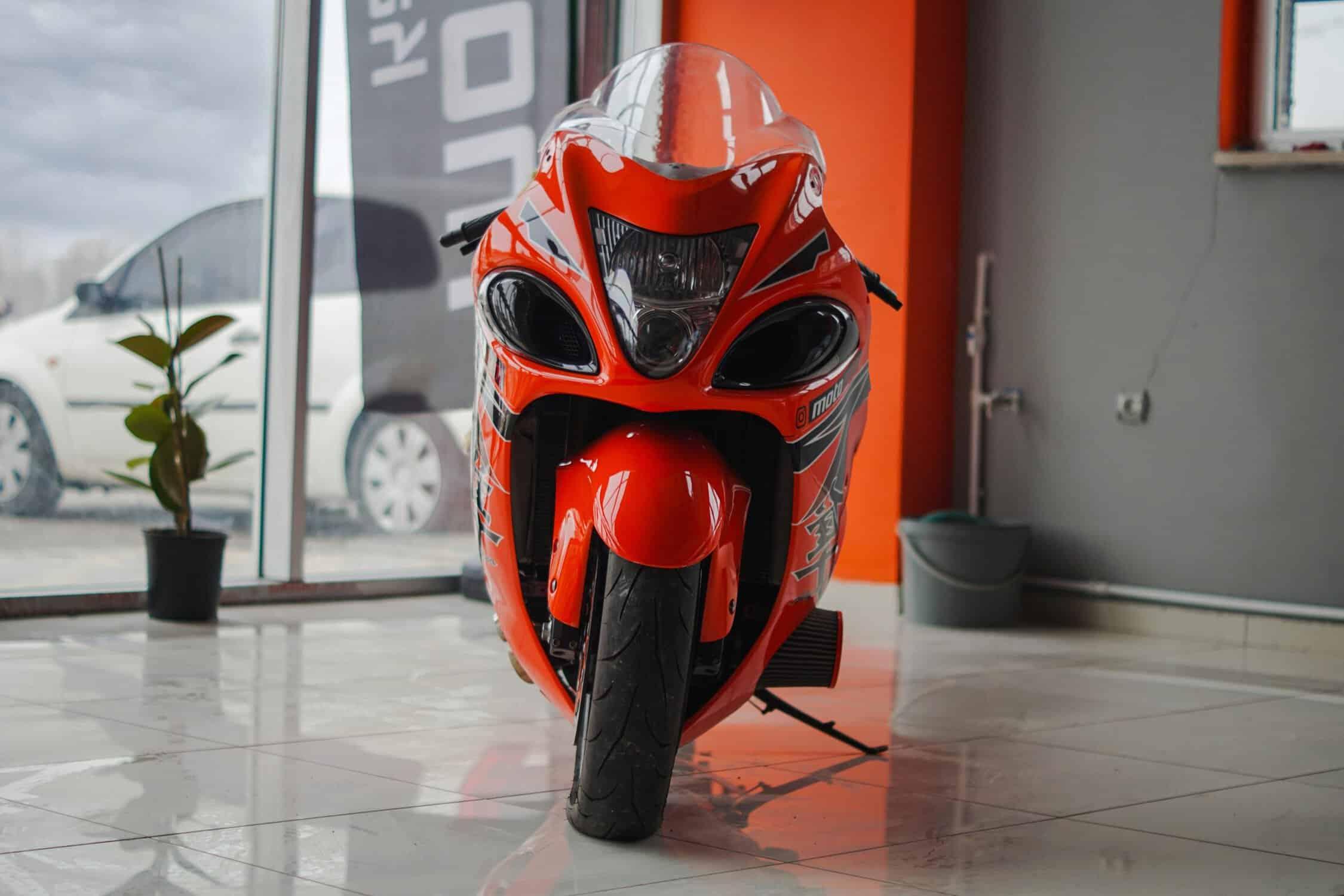
There have been three generations of the Suzuki Hayabusa: the first generation (1999 to 2007, 1,299 cc), the second (2008 to 2020, 1,340 cc, with ABS and upgraded front brakes added in 2013) and the third (announced in February 2021 as a 2022 model, 1,340 cc with a full suite of electronic rider aids). Which one to buy comes down to budget and how much electronics you want. Whichever you choose, check the service history, ride the bike before you pay, and budget for insurance, tyres and servicing as well as the purchase price. It is not a beginner's motorcycle.
This guide compares the generations, then covers what to think about before buying, how to test-ride and inspect a Hayabusa, and what it costs to keep one running. Specifications were checked against Suzuki and Wikipedia in November 2026; check the exact bike you are looking at, as details varied by market and year.
Hayabusa generations compared
First generation (1999 to 2007)
- Engine: 1,299 cc inline-four, claimed 173 hp (129 kW).
- Top speed: 303 to 312 km/h (188 to 194 mph) on 1999 and 2000 bikes. From the 2001 model year, Suzuki and other makers limited their bikes to 299 km/h (186 mph) under a voluntary agreement.
- Weight: 250 to 255 kg (551 to 563 lb) wet.
- Chassis and brakes: fully adjustable inverted forks and six-piston Tokico front calipers on 320 mm discs. No ABS.
- Buying note: 1999 and 2000 bikes have an aluminium rear subframe that could break if the bike was overloaded with a passenger and luggage or stressed by an aftermarket exhaust. Suzuki switched to steel from 2001.
Second generation (2008 to 2020)
- Engine: enlarged to 1,340 cc with a longer stroke and higher compression, claimed 197 hp (147 kW). It also gained titanium valves, a slipper clutch and a catalytic converter.
- Top speed: limited to 299 km/h (186 mph).
- Weight: 264 to 268.5 kg (582 to 592 lb) wet.
- Brakes: Tokico radial calipers. In 2013 Suzuki added upgraded front brakes and ABS, so later second-generation bikes are the ones to look for if you want ABS.
Third generation (2022 model onwards)
- Engine: 1,340 cc, claimed 190 hp (140 kW), with electronic throttle control. It meets the Euro 5 emissions standard.
- Top speed: a nominal 299 km/h (186 mph).
- Weight: 264 kg (582 lb) wet.
- Brakes: Brembo Stylema radial calipers on 320 mm front discs.
- Electronics: the Suzuki Intelligent Ride System, which on the US model includes drive and power modes, traction control, anti-lift and launch control, a combined brake system and Motion Track ABS, engine brake control, cruise control, an active speed limiter and a two-way quick shifter.
Suzuki says the third generation was the first full model change in 13 years. Figures above are from Wikipedia's Hayabusa article and Suzuki's own history of the bike.
Things to consider before buying a Hayabusa
- Your experience. The Hayabusa is a very fast, heavy motorcycle. It suits experienced riders; if you are newer to riding, build up on something smaller first.
- How you will use it. It can tour and commute, but at around 264 kg wet for the later generations it is a lot of bike in town traffic. Sit on it and push it around before deciding.
- Riding position. The low clip-on bars put weight on your wrists, so ride one for longer than a few minutes. Aftermarket bar risers can change this (see the FAQ below).
- Which generation. A first-generation bike is the cheapest way in but the oldest and the most likely to have been modified. A 2013-or-later second-generation bike adds ABS. The third generation brings modern rider aids at a higher price.
- Your whole budget. Price the insurance, tyres, a chain and sprockets, servicing and riding gear before you commit, not after. Get insurance quotes on the exact model year first.
Test-riding a Hayabusa
A test ride is where most problems show up. If a seller won't allow one, ask why.
- Start it from cold if you can, and listen to how it starts and idles.
- Accelerate and brake through the gears at sensible speeds. The clutch should not slip, gears should engage cleanly, and the bike should pull smoothly.
- Listen and feel for knocks, rattles, vibration or a pull to one side under braking.
- Check the controls: brakes should feel firm and consistent, and on later bikes the warning lights for ABS and other systems should go out after start-up.
- Try it on different roads so you get a feel for comfort and handling, not just speed.
Inspecting a used Hayabusa
Look over the bike before and after the ride:
- Paperwork: service records, the frame number matching the documents, and any open recalls checked with a Suzuki dealer.
- Engine: oil leaks, the state of the oil, and how it idles when hot.
- Tyres: tread depth, uneven wear and the age of the rubber.
- Chain and sprockets: stretch, tight spots and hooked teeth.
- Brakes: pad wear, disc condition and the brake lights.
- Crash damage: scrapes on the bar ends, footpegs, levers and bodywork, cracked fairings or a bent subframe. On a 1999 or 2000 bike, look closely at the aluminium rear subframe.
- Modifications: aftermarket exhausts, tuning and other changes. A standard bike is easier to assess, insure and sell later.
If you are not confident checking a bike yourself, pay a dealer or independent mechanic to inspect it before you hand over money.
Maintenance and running costs
The Hayabusa does not need special treatment, but it does need the basics done on time:
- Follow the service schedule in the owner's manual and keep the receipts; a full history protects the bike's value.
- Use parts and fluids that meet Suzuki's specification for oil, coolant and brake fluid. For brake fluid choices, see our guide to motorcycle brake fluid.
- Look after the chain, cleaning and lubricating it regularly; see our guide to motorcycle chain oil. A paddock stand makes this much easier.
- Budget for tyres. A heavy, powerful bike can get through rear tyres quickly if it is ridden hard.
- Set money aside for repairs and wear items so that a bill doesn't take the bike off the road.
Suzuki Hayabusa buying FAQ
Which Hayabusa generation is best?
It depends on budget. First-generation bikes are the cheapest; second-generation bikes from 2013 add ABS and upgraded brakes; the third generation adds a full set of electronic rider aids, including traction control and cruise control, at a higher price.
Is a Hayabusa a good first motorcycle?
No. It is a very fast, heavy bike that needs skill and control. Gain experience on something smaller first.
What is the top speed of a Hayabusa?
Early 1999 and 2000 bikes could reach 303 to 312 km/h (188 to 194 mph). From the 2001 model year the Hayabusa has been limited to 299 km/h (186 mph).
Why is regular maintenance important on a Hayabusa?
Regular servicing keeps it performing as it should, catches wear before it becomes expensive, and gives you a service history that protects its value when you sell.
What should I check when test-riding a Hayabusa?
Pay attention to acceleration, braking, gear changes, clutch feel, handling and comfort, and listen for unusual noises. If the low clip-on bars are the one thing you don't like, HeliBars for the Hayabusa raise the grips, usually without new cables or brake lines. Ride it on different kinds of road if you can.
How should I inspect a used Hayabusa?
Check the service records, look for oil leaks, crash damage and modifications, and check the tyres, chain, sprockets and brakes. On 1999 and 2000 bikes, check the aluminium rear subframe. If in doubt, have a dealer or trusted mechanic inspect it.