Feature
Analyzing the Evolution of Corner Banking in Modern Circuit Design
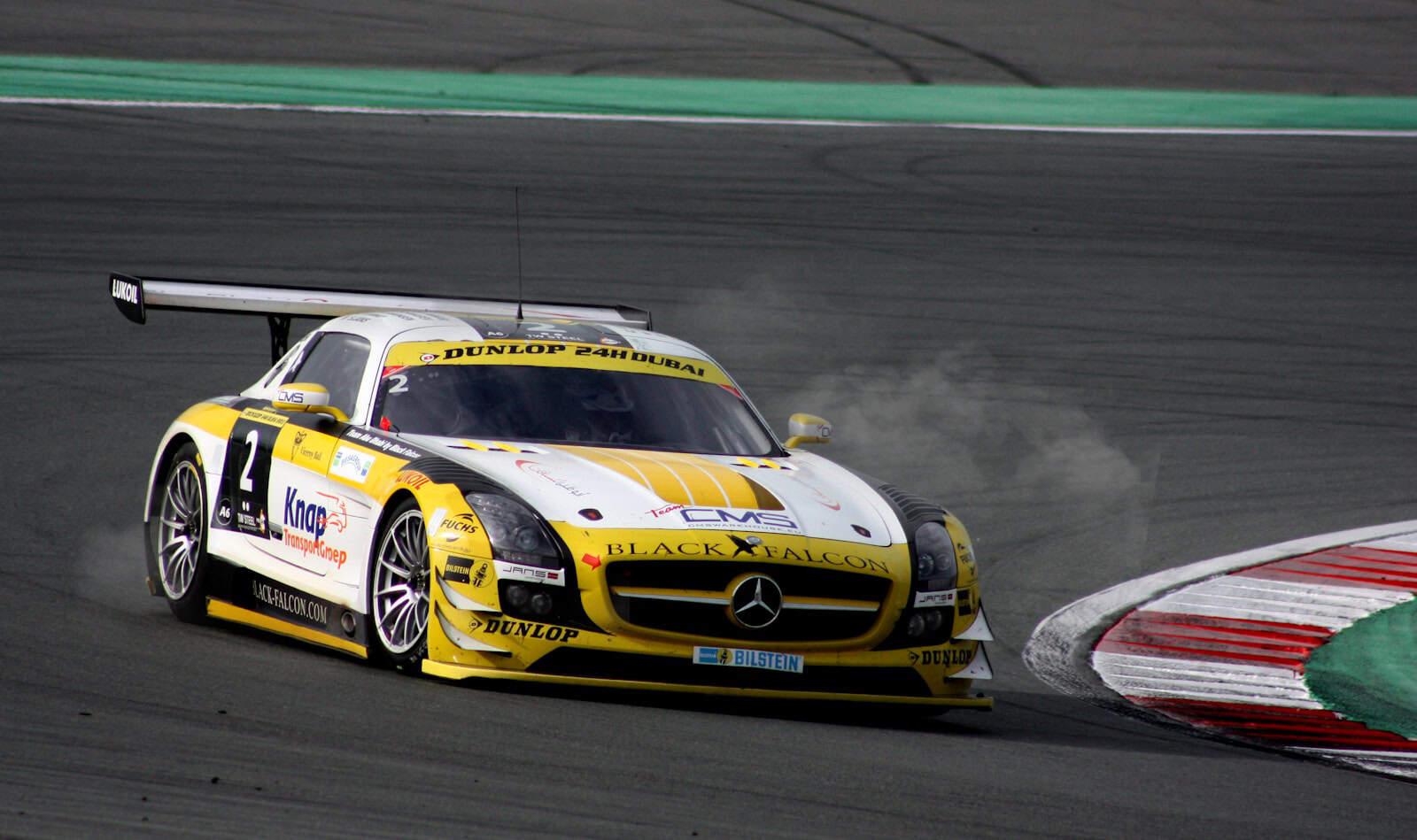
What makes a racetrack truly unforgettable? For many drivers and fans, it’s the sensation of perfectly navigating a banked corner—the seamless fusion of speed, physics, and sheer bravery. From Monza’s legendary Parabolica to the steep inclines of Daytona, corner banking has evolved significantly in modern circuit design. But how have these high-speed curves changed over the years, and what impact do they have on racing today? This deep dive explores the evolution of corner banking, from its early days to cutting-edge innovations in modern motorsport.
The Origins and Early Implementation of Banking
In the early days of racing, track designers quickly realized that adding banking to corners could significantly enhance speed and safety. One of the earliest examples is the Brooklands circuit in the UK, built in 1907. Featuring massive, steeply banked corners, Brooklands allowed for higher speeds and thrilling racing action.
As motorsport progressed, other iconic circuits adopted banking, including Indianapolis Motor Speedway, where the original 9-degree banked turns became an integral part of the Brickyard’s high-speed spectacle. Monza, too, introduced extreme banking in the 1950s, with nearly 30-degree inclines that pushed both cars and drivers to their absolute limits. However, as safety concerns grew and racing technology evolved, these extreme banking angles were gradually phased out in favor of more refined approaches.
The Science Behind Corner Banking
Banked corners allow drivers to maintain higher speeds through turns by counteracting lateral forces. When a car enters a banked corner, gravitational and centrifugal forces work together to enhance grip, reducing the likelihood of skidding or loss of control. This is why high-speed oval tracks, such as Daytona International Speedway, feature steeper banking compared to road circuits, enabling close-quarters racing at breathtaking speeds.
Modern circuits employ varying degrees of banking to balance speed, safety, and overtaking opportunities. Progressive banking—where the angle increases from the inside to the outside of the corner—has become a popular innovation. This design, seen at Texas Motor Speedway, allows multiple racing lines, creating dynamic battles between drivers.
Evolution of Banking in Modern Circuit Design
While historic circuits once embraced extreme banking, contemporary track design has taken a more measured approach. Many of today’s premier racing venues incorporate subtle banking to enhance cornering performance while maintaining stringent safety standards.
For instance, the Yas Marina Circuit in Abu Dhabi utilizes slight banking adjustments to improve flow and overtaking potential, while Suzuka’s legendary 130R corner remains banked just enough to challenge drivers without becoming a high-risk hazard. In Formula 1, Zandvoort’s recent return to the calendar brought with it a bold reimagining of its famous banked final turn, creating a unique spectacle in modern Grand Prix racing.
Even street circuits, typically known for their flat and tight layouts, are exploring ways to integrate slight banking in key corners. This innovation allows for improved racing dynamics without compromising urban infrastructure.
The Future of Banked Corners
Advancements in circuit design continue to push the limits of what’s possible. With simulations and wind tunnel testing now playing a crucial role, engineers can fine-tune banking angles for optimal racing conditions. Concepts such as variable banking—where track inclination dynamically adjusts during races—are being explored as potential future innovations.
Additionally, as electric and autonomous racing gain traction, banking may be adapted to accommodate different vehicle dynamics. Formula E, for example, could benefit from banked corners that enhance regenerative braking efficiency, optimizing energy usage in ways that traditional flat turns cannot.
From the historic banking of Brooklands and Monza to the cutting-edge innovations seen in modern circuits, the evolution of corner banking has profoundly shaped motorsport. Today’s designs strike a delicate balance between speed, safety, and spectacle, ensuring that banked corners remain a defining feature of circuit racing. Whether it’s the thrill of NASCAR’s steep ovals or the finesse required to master a subtly banked F1 turn, one thing remains certain—corner banking will continue to influence the future of racing for generations to come.
So, the next time you watch a race, take a closer look at those corners. You might just be witnessing the perfect blend of engineering, physics, and racing artistry in motion.