Feature
The Role of Technology in Enhancing Track Limits Enforcement
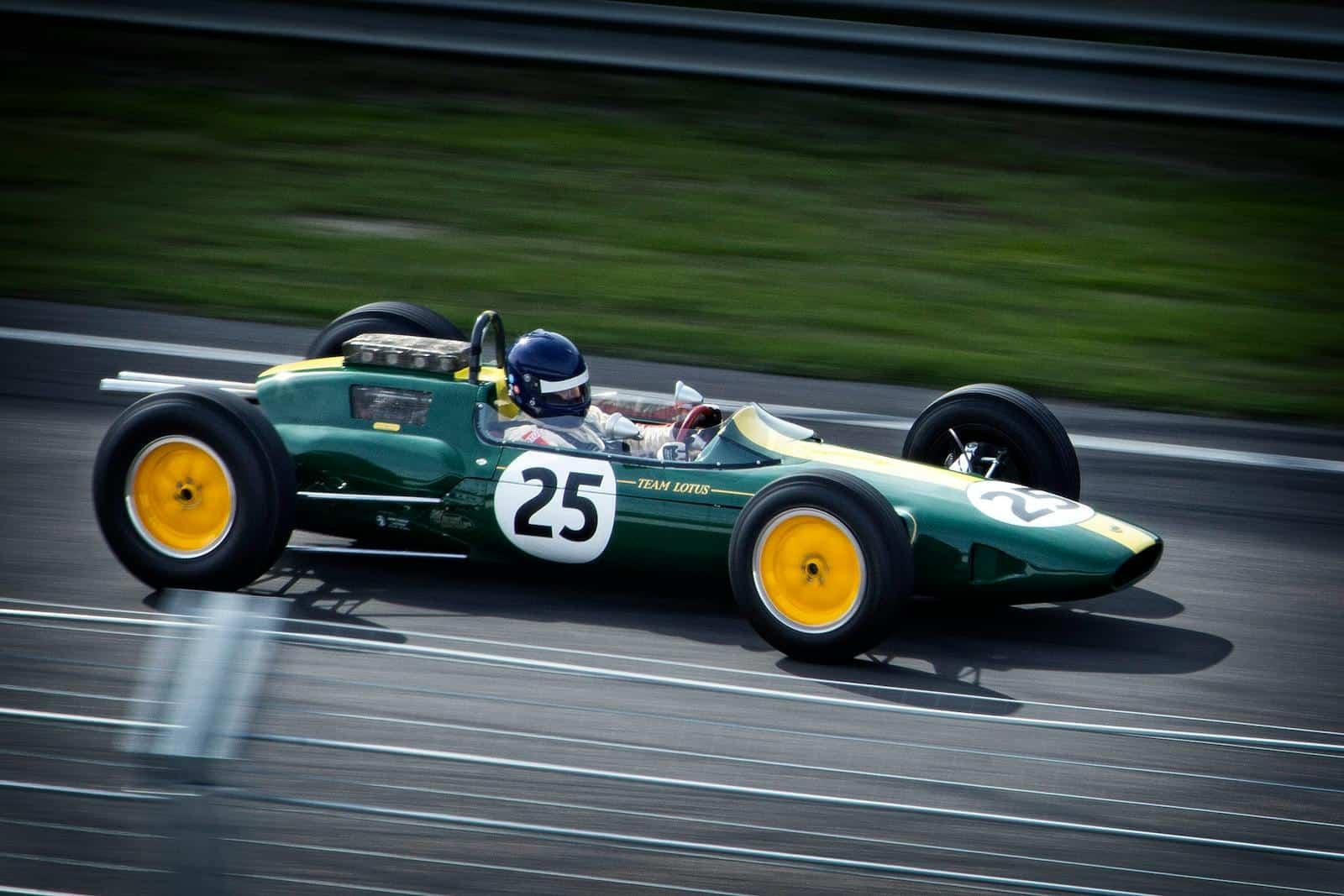
Racing is a battle of precision, speed, and strategy. But when a car inches beyond the designated track limits, controversy follows. Track limits enforcement has always been a contentious issue in motorsport, sparking debates among drivers, teams, and fans alike. While human marshals once had the final say, technology is now playing an increasingly pivotal role in ensuring fair and consistent rulings. From high-speed cameras to AI-driven tracking systems, the evolution of technology is reshaping the way track limits are monitored and enforced.
The Importance of Track Limits
Track limits exist to maintain safety, fairness, and the integrity of racing. Exceeding them, whether deliberately or inadvertently, can offer an unfair advantage—allowing drivers to gain speed by straightening a corner or cutting through a chicane. Historically, enforcement relied heavily on trackside marshals and video reviews, but subjective judgments often led to inconsistencies and post-race penalties that changed race outcomes.
In high-stakes racing categories like Formula 1, MotoGP, and endurance racing, enforcing these limits accurately can mean the difference between victory and disqualification. This is where technology comes in, providing precise, real-time data to ensure track limits are enforced without ambiguity.
Advanced Technologies Revolutionizing Track Limits Enforcement
1. High-Speed Cameras and Video Analysis
One of the earliest technological advancements in track limits enforcement came in the form of high-speed cameras. Positioned strategically around the circuit, these cameras capture footage at thousands of frames per second, allowing race officials to scrutinize every millimeter of a car’s position relative to the track boundaries.
Video analysis is now supported by real-time replay systems that enable instant decision-making. Unlike traditional methods that required post-race reviews, officials can now make in-race calls, reducing delays and uncertainty.
2. GPS and Telemetry Tracking
Modern race cars are equipped with highly accurate GPS and telemetry systems that track their position on the circuit to within a few centimeters. These systems help race control determine whether a driver has exceeded the track limits, using a combination of geofencing and real-time monitoring.
Telemetry data not only confirms a driver’s position but also records speed, throttle input, and steering angles—providing valuable context to track limit violations. This data is particularly useful in endurance racing, where driver fatigue and changing conditions make enforcing track limits even more critical.
3. AI and Automated Decision-Making Systems
Artificial intelligence is rapidly transforming the way motorsport handles track limits. AI-powered software can analyze live footage, GPS data, and telemetry to instantly flag potential violations. Instead of waiting for human review, race control receives automatic alerts when a driver exceeds track boundaries.
Machine learning algorithms also improve over time, adapting to different track conditions and racing scenarios. This level of automation ensures consistency, eliminating human bias and reducing the number of controversial penalties.
4. Pressure-Sensitive Sensors and RFID Technology
Some circuits have begun integrating pressure-sensitive sensors into trackside kerbs to detect when a car goes off track. These sensors work in tandem with Radio-Frequency Identification (RFID) tags embedded in race cars, allowing for precise, automated detection of track limit violations.
This technology is particularly effective in tight street circuits and high-speed corners, where traditional camera angles may struggle to capture accurate data. By instantly identifying and reporting off-track excursions, RFID technology enhances the efficiency of track limits enforcement.
Case Studies: How Technology Has Improved Track Limits Monitoring
Formula 1’s Evolution of Track Limits Enforcement
Formula 1 has seen significant changes in track limits enforcement over the years. Previously, decisions were made based on video reviews and input from race stewards, often leading to inconsistencies. However, the introduction of GPS tracking, AI-driven monitoring, and live telemetry analysis has provided real-time clarity, ensuring fair competition.
For example, during the Austrian Grand Prix at the Red Bull Ring, where multiple drivers were penalized for exceeding track limits, the FIA used automated systems to enforce boundaries efficiently. This led to immediate warnings and penalties, reducing post-race disputes.
MotoGP’s Digital Track Limits Monitoring
MotoGP utilizes digital track limits enforcement with embedded sensors and AI-driven analysis. With bikes leaning at extreme angles, traditional visual monitoring proved unreliable. The introduction of trackside sensors and onboard telemetry now allows precise measurements, ensuring fair rulings without the need for extensive post-race reviews.
Endurance Racing and the 24 Hours of Le Mans
In endurance racing, track limits are crucial due to the varying conditions over long race durations. The 24 Hours of Le Mans incorporates GPS and RFID tracking to monitor compliance in real-time. Automated alerts notify teams when a driver has exceeded limits, reducing penalties after the race and maintaining a fair competitive environment.
The Future of Track Limits Enforcement
As technology advances, track limits enforcement will become even more precise and automated. Future developments may include drone-based tracking systems for aerial monitoring, further enhancements in AI decision-making, and the potential integration of virtual reality simulations for race officials to review incidents more effectively.
Another promising avenue is biometric monitoring, where driver eye-tracking and reaction data could help determine intent behind track limit violations—distinguishing accidental breaches from deliberate corner-cutting.
Ultimately, technology is ensuring that motorsport remains a test of skill, not an exploitation of track boundaries. With automated enforcement improving fairness and consistency, the integrity of racing will continue to thrive in an era where every millisecond counts.
Track limits enforcement has come a long way from the days of relying solely on human judgment. With the integration of high-speed cameras, GPS tracking, AI decision-making, and pressure-sensitive sensors, technology is playing a transformative role in ensuring fair and consistent racing.
As motorsport continues to evolve, so too will the methods used to uphold its core principles of fairness and competition. Whether on the tight confines of a street circuit or the sweeping curves of a high-speed track, technology is ensuring that drivers win on skill alone—without the shadow of controversy hanging over the results. The next time you see a driver pushing the limits, remember: technology is watching, and the race for fairness is as intense as the race itself.