Feature
How Track Design Influences Overtaking Opportunities in Different Series
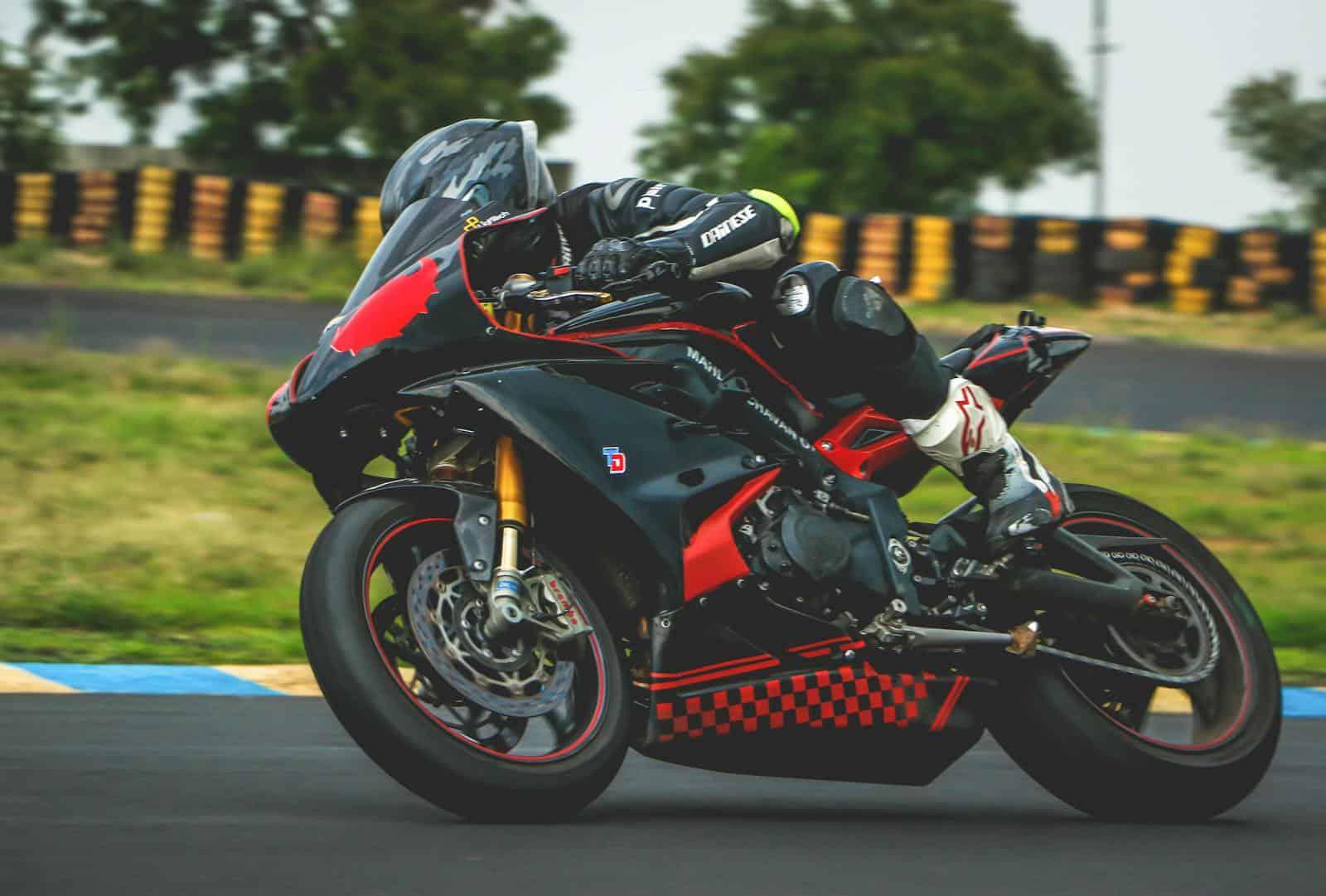
Overtaking is the lifeblood of motorsport. It’s the moment that makes fans leap out of their seats, drivers sweat behind the wheel, and engineers crunch numbers endlessly in search of the perfect setup. But what makes one track a wheel-to-wheel battleground while another turns into a high-speed parade? The answer lies in track design. From the long straights of Monza to the tight confines of Monaco, every circuit presents unique challenges and opportunities for overtaking. In this article, we’ll explore how track layout influences passing maneuvers across different racing series and why some tracks consistently deliver thrilling action.
The Role of Track Layout in Overtaking
Overtaking opportunities are dictated by several design elements of a circuit, including:
1. Corner Configuration and Brake Zones
Braking zones are prime real estate for overtakes. Tracks with heavy braking zones—like Turn 1 at Circuit of the Americas or the Bus Stop Chicane at Spa-Francorchamps—offer drivers a chance to dive up the inside and force a move. In contrast, flowing tracks like Suzuka, with its series of high-speed bends, make it much harder to attempt a clean pass.
- Formula 1: Tracks like Bahrain and Baku, with their long straights leading into tight corners, are designed to encourage late-braking overtakes.
- MotoGP: Bikes require different overtaking strategies, often utilizing wide entries into corners for cutback moves, seen frequently at circuits like Mugello and Phillip Island.
- Endurance Racing: Circuits like Le Mans feature heavy braking zones, which create multi-class overtaking dynamics, as LMP1 cars slice through GT traffic.
2. Straight Length and DRS Zones
Long straights give powerful engines the chance to shine, allowing cars or bikes to build up speed before attempting a pass under braking.
- Formula 1: DRS (Drag Reduction System) plays a huge role in modern overtaking, making circuits like Shanghai and Yas Marina more pass-friendly.
- NASCAR: Superspeedways like Daytona rely on drafting rather than braking zones, with overtakes happening in high-speed packs.
- IndyCar: The long straights at the Indianapolis Motor Speedway allow for slipstream battles, a key component in oval racing.
3. Track Width and Racing Lines
A wider track means more racing lines, which translates to more room for side-by-side action.
- Formula 1: Circuit of the Americas features multiple racing lines through its corners, enabling creative overtaking attempts.
- MotoGP: Circuits with wide entries like Sepang encourage late lunges and inside-line battles.
- Touring Cars: BTCC races at Brands Hatch’s Indy layout often feature aggressive moves thanks to the circuit’s ample width and multiple passing points.
4. Elevation Changes and Camber
Elevation shifts and corner banking can make or break an overtaking attempt.
- Formula 1: Eau Rouge at Spa and the undulating turns of Portimão create unique challenges where drivers must balance risk versus reward.
- MotoGP: The Corkscrew at Laguna Seca is one of the most famous overtaking spots due to its dramatic drop.
- Rally and Off-Road Racing: Baja and WRC stages often feature natural elevation changes, requiring different approaches for overtaking.
Series-Specific Overtaking Challenges
Each motorsport series faces its own set of overtaking difficulties due to the characteristics of the vehicles and regulations:
- Formula 1: Aerodynamic turbulence from modern cars can hinder overtaking, making track design crucial. Tilke-designed circuits with long straights and tight hairpins aim to counteract this.
- MotoGP: Unlike F1, motorcycles don’t suffer from aerodynamic wake as much, but they require different overtaking tactics, using wide corner entries and cutback maneuvers.
- NASCAR & IndyCar: Oval racing demands drafting and pack racing, where track banking and aerodynamics dictate overtaking success.
- Endurance Racing: Multi-class racing means LMP1 or Hypercars must navigate through GT traffic, requiring patience and strategic overtaking rather than outright aggression.
Track design plays a pivotal role in shaping the overtaking landscape across different racing series. Whether it’s the high-speed slipstream battles of IndyCar, the late-braking duels in F1, or the tight, elbow-to-elbow clashes in MotoGP, each circuit presents its own overtaking DNA. Engineers and race organizers continuously tweak track layouts to encourage more passing opportunities, ensuring motorsport remains as thrilling as ever. Next time you watch a race, pay attention to the track itself—it might just be the real star of the show.