
Daytona International Speedway
About Daytona International Speedway
 * Address: 1801 W International Speedway Blvd., Daytona Beach FL, 32114 USA
Email: [email protected]
- •Phone Number: (+1) 800-748-7467
Hotels Near Daytona International Speedway
Track History
Daytona International Speedway, often referred to as the "World Center of Racing," stands as a racing haven nestled in the heart of Daytona Beach, Florida. This iconic racetrack, inaugurated in 1959, has earned its place among the most renowned motorsports venues globally. Its hallowed grounds have witnessed a plethora of exhilarating events, including the prestigious Daytona 500, Rolex 24 at Daytona, and the Coke Zero Sugar 400.
An Iconic Venue
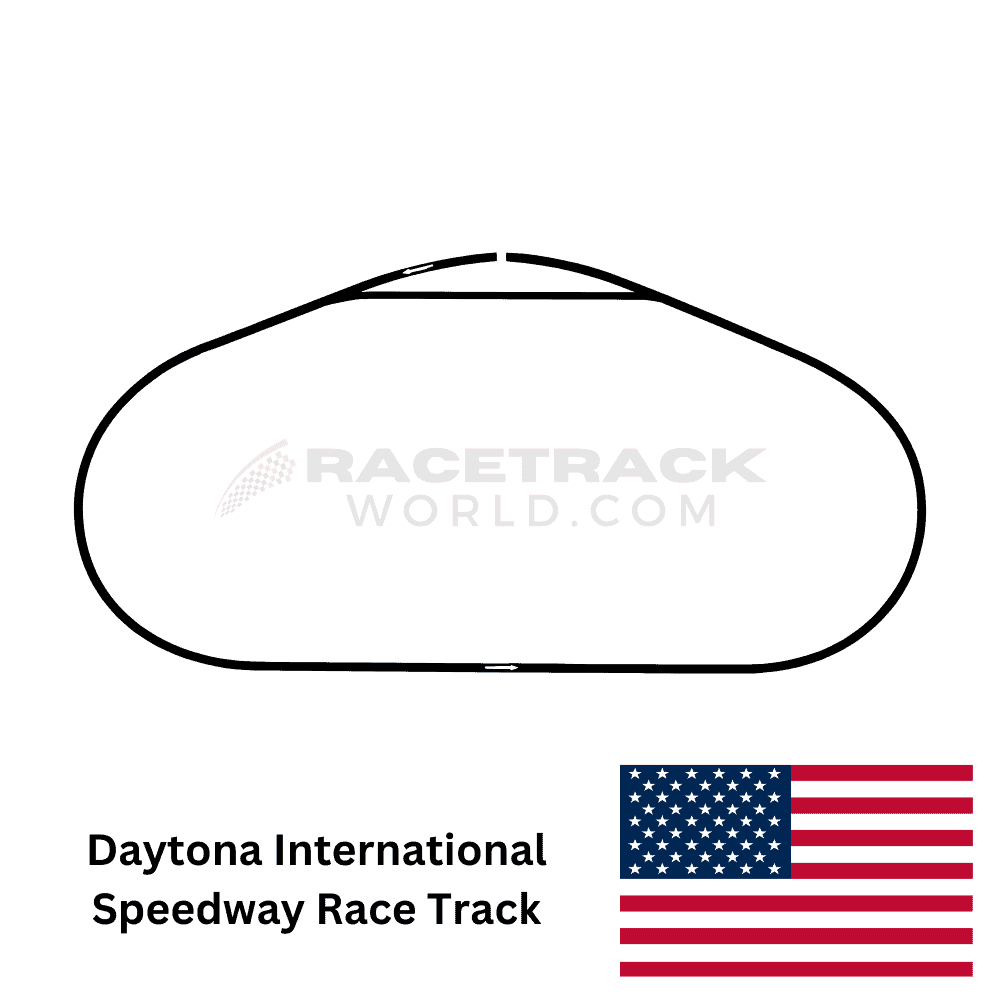
Covering 2.5 miles in the shape of a tri-oval, Daytona International Speedway boasts a seating capacity of 101,500. The track is owned and operated by the International Speedway Corporation, and throughout the years, it has undergone numerous renovations to enhance the overall experience for both fans and drivers.
A Rich Racing Legacy
Daytona International Speedway is an integral part of NASCAR's history, having witnessed countless moments of adrenaline-pumping action. Beyond the NASCAR races, this versatile track also plays host to motorcycle races, sports car events, and a myriad of other thrilling competitions throughout the year.
Navigating the Speedway
For visitors seeking to make the most of their experience, a map of Daytona International Speedway is an invaluable tool. You can easily find this map on the track's official website or at the entrance gates. The map provides an overview of essential locations, including parking lots, restrooms, food and beverage stands, grandstands, suites, and hospitality areas.
The Daytona Roval
In 2020, Daytona International Speedway introduced an exciting addition to its repertoire – the Daytona Roval. This 3.56-mile track combines elements of the tri-oval and the infield road course, featuring 14 turns, including a challenging chicane that leads onto the frontstretch. The Daytona Roval has swiftly become a fan favorite, hosting events like the IMSA WeatherTech SportsCar Championship and the NASCAR Xfinity Series.
Exploring the Layout
Daytona International Speedway's track map offers insight into the layout of the track. The tri-oval, a 2.5-mile circuit with steep 31-degree banking in the turns, remains the heart of the action. The infield road course, spanning 2.95 miles and incorporating a mix of left and right turns, is highlighted, complete with the chicane leading onto the frontstretch. The Daytona Roval ingeniously blends these components into a 3.56-mile course.
The track map is your guide to locating the start/finish line, pit road, and the coveted garages, nestled within the infield. For those looking to get up close and personal with their favorite teams and drivers, garage passes are available.
Evolving for Excellence
Daytona International Speedway's layout has evolved over the years to ensure safety and enhance the overall racing experience. While the tri-oval has remained relatively consistent since its inauguration in 1959, the infield road course has seen numerous transformations, including the introduction of the chicane in 1984, designed to slow down cars before the start/finish line.
A Superspeedway Experience
This legendary track spans 2.5 miles for the tri-oval and 2.95 miles for the infield road course. The Daytona Roval extends to 3.56 miles, offering a superspeedway experience characterized by high speeds, long straightaways, and banked turns. The combination of these elements guarantees an electrifying and unforgettable experience for fans.
Stay Close to the Action
While Daytona International Speedway promises an exhilarating experience on the track, it's equally important to ensure you have a comfortable and convenient stay. Thankfully, there are numerous hotels in close proximity to the circuit that cater to racing enthusiasts and offer a range of accommodations to suit your needs.
Daytona Beach Hotels
- •
Hilton Daytona Beach Oceanfront Resort: This beachfront hotel is just a stone's throw away from the Speedway. Enjoy luxurious accommodations, ocean views, and a range of dining options.
- •
The Shores Resort & spa: This boutique hotel offers a relaxed, upscale atmosphere and is conveniently located near the Speedway.
- •
Homewood Suites by Hilton Daytona Beach Speedway-Airport: Ideal for families and extended stays, this hotel offers spacious suites and is situated close to both the Speedway and the airport.
Ormond Beach Hotels
- •
Hampton Inn Daytona/Ormond Beach: Located in nearby Ormond Beach, this hotel provides comfortable rooms and easy access to the Speedway.
- •
Tru by Hilton Ormond Beach: A stylish and budget-friendly option, this hotel is a short drive from the track and offers modern amenities.
Port Orange Hotels
- •Country Inn & Suites by Radisson, Port Orange-Daytona, FL: This cozy hotel in Port Orange offers a convenient location and a complimentary hot breakfast.
Daytona International Speedway Campgrounds
For those looking to immerse themselves fully in the racing experience, the Speedway also offers camping options. The GEICO camping area provides a great opportunity to stay close to the action and fellow fans.
Plan your stay wisely, and you can combine the thrill of motorsports with the comfort and convenience of these nearby hotels. Daytona International Speedway is more than just a racetrack; it's a destination that offers a rich racing history and an unforgettable experience for fans from all over the world.
Link to History Video: Daytona International Speedway
Other USA Race Tracks
Alabama
Arizona
California
- •
WeatherTech Raceway Laguna Seca
- •
Sonoma Raceway
- •
Thunderhill Raceway Park
- •
Long Beach Grand Prix
- •
Auto Club Speedway
- •
Fox Raceway at Pala
- •
Willow Springs International Raceway
Colorado
Connecticut
Delaware
Florida
- •
Sebring International Raceway
- •
Daytona International Speedway
- •
Florida FIRM Park
- •
Homestead-Miami Speedway
- •
Grand Prix of St Petersburg
- •
Palm Beach International Raceway
- •
WW Motocross Park at WW Ranch
- •
Biscayne Bay Street Circuit
Georgia
Illinois
Indiana
Iowa
Kansas
Kentucky
Louisiana
Massachusetts
Michigan
Minnesota
Nevada
New Hampshire
New Jersey
New Mexico
New York
North Carolina
Ohio
Oklahoma
Oregon
Pennsylvania
South Carolina
South Dakota
Tennessee
- •
Bristol Motor Speedway
- •
Nashville Superspeedway
- •
Nashville Street Circuit
- •
Loretta Lynn’s Ranch
Texas
Utah
Virginia
Washington
West Virginia
Wisconsin